

Ashwagandha for Menopause: A Clinical Perspective on Systemic Resilience (2026)
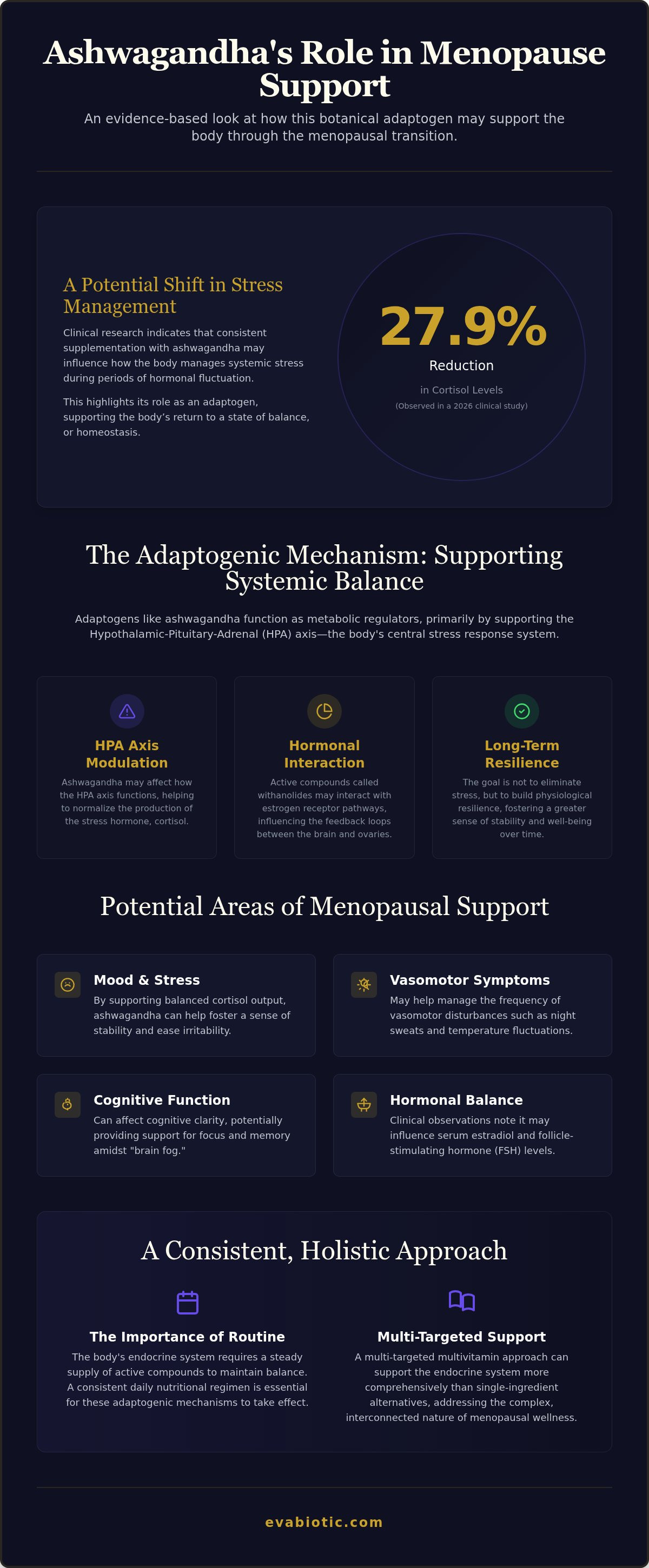
Clinical research conducted in early 2026 indicates that women may experience a 27.9% reduction in cortisol levels through consistent ashwagandha supplementation. This isn't just a statistical data point. For those navigating the menopausal transition, it represents a potential shift in how the body manages systemic stress. You've likely felt the disruptive impact of night sweats or the frustration of persistent brain fog that compromises your professional performance. While skepticism toward synthetic treatments is understandable, exploring the role of ashwagandha menopause support provides a grounded, scientific perspective on managing these complex physiological shifts.
We recognize that you're seeking more than a temporary fix; you're looking for long-term resilience and systemic balance. This article examines how this botanical adaptogen may support the hypothalamic-pituitary-adrenal axis to help stabilize mood and reduce the frequency of vasomotor disturbances. We'll explore the latest clinical perspectives on physiological stability and why a consistent daily routine is essential for these biological mechanisms to take effect. By the end of this guide, you'll have a clear, evidence-based understanding of how to integrate this traditional botanical into a modern wellness strategy for improved cognitive clarity and hormonal stability.
Key Takeaways
- Understand how adaptogens function as metabolic regulators to support homeostasis during periods of significant hormonal fluctuation.
- Explore the clinical perspective on how ashwagandha menopause support may help manage the frequency of vasomotor disturbances and nighttime disruptions.
- Learn why standardized botanical extracts in a 60-capsule format provide the precision necessary for maintaining consistent systemic balance.
- Discover how a multi-targeted multivitamin approach can support the endocrine system more comprehensively than single-ingredient alternatives.
- Recognize the importance of a steady, long-term nutritional routine in optimizing the body's resilience against the physiological stressors of transition.
Understanding the Role of Adaptogens in the Menopausal Transition
Adaptogens represent a specific category of botanical compounds that function as metabolic regulators. Their primary role is to support homeostasis, the body's internal state of equilibrium, by modulating the physiological response to stressors. During the menopausal transition, estrogen isn't the only factor in flux. The decline in estrogen can affect the sensitivity of the central nervous system, often making the body more reactive to daily stress. This heightened reactivity can manifest as the anxiety and mood instability many women experience. By focusing on systemic balance rather than targeting isolated symptoms, adaptogens offer a more holistic framework for wellness.
Research into ashwagandha menopause applications focuses on how these compounds interact with the endocrine system. Instead of providing a temporary fix for a single issue, this botanical aims to build long-term physiological resilience. Integrating such a potent adaptogen into a comprehensive Menopause Relief Multivitamin allows for a more systematic approach to health. This method ensures that the body receives consistent support during a time of significant biological change.
What is Ashwagandha?
Ashwagandha (Withania somnifera) has a deep history in traditional botanical practices. It's often classified as a premier botanical for women due to its versatile nature. Modern clinical evaluation has moved beyond tradition to identify specific active compounds known as withanolides. These molecules are the primary focus of scientific study, as they may support various biological roles, including cellular protection and hormonal modulation. This transition from ancient wisdom to clinical scrutiny ensures that modern applications are grounded in scientific integrity and precision.
The Adaptogenic Mechanism
The primary mechanism of an adaptogen involves the hypothalamic-pituitary-adrenal (HPA) axis. This is the body's command center for the stress response. Adaptogens can affect how this axis functions, helping to normalize the production of cortisol. According to clinical trials published in 2026, women experience a 27.9% reduction in cortisol levels with ashwagandha supplementation. High cortisol is often linked to common menopausal discomforts, such as disrupted sleep and irritability. By supporting a more balanced cortisol output, ashwagandha menopause support can help foster a sense of stability. Resilience, rather than the total elimination of stress, remains the clinical goal of natural supplementation.
Physiological Mechanisms: How Ashwagandha May Affect Hormonal Balance
The interaction between botanical compounds and the endocrine system is complex. Research suggests that ashwagandha menopause support may function by modulating the signaling pathways that govern hormone production. This Clinical trial on Ashwagandha for menopause examines how botanical extracts may interact with estrogen receptor pathways to support physiological balance. A clinical study published in February 2026 observed that women taking standardized root extract experienced a notable increase in serum estradiol levels alongside a decrease in follicle-stimulating hormone (FSH). These changes indicate that the botanical may influence the feedback loops between the brain and the ovaries, potentially easing the transition into a post-menopausal state.
Maintaining this support requires a methodical approach. The body's endocrine system doesn't reset overnight; it requires a steady supply of active withanolides to maintain systemic balance. Utilizing a consistent daily nutritional regimen, such as a 60-capsule format, ensures these compounds are available to support physiological optimization over several months. A subscription for daily support provides the continuity necessary for these adaptogenic mechanisms to take effect.
Endocrine System Support
The thyroid and adrenal glands often work in tandem to regulate energy and temperature. When estrogen levels drop, the burden on these glands increases. Current 2026 clinical data suggests that thyroid-adrenal synergy is a primary driver of metabolic stability during the menopausal transition, often determining the severity of systemic fatigue. By supporting the adrenals, ashwagandha may help preserve thyroid function, which can affect the body's ability to manage sudden hormonal fluctuations without experiencing significant vitality loss. This commitment to vitality often extends to topical care; for example, Aroota offers Ayurvedic-based skincare products designed to support women through every stage of life.
Metabolic shifts are a frequent concern during this period. Elevated cortisol levels, often triggered by the stress of hormonal changes, can affect how the body stores fat, particularly in the abdominal region. Managing these stress hormones is a critical step in preserving metabolic health. For a deeper look at these changes, read our analysis on Hormonal Weight Gain During Menopause: A Clinical Analysis of Metabolic Shifts. Resilience in this context means maintaining a steady metabolism despite the shifting internal environment. Providing the body with targeted support through Menopause Relief Multivitamins may help stabilize these metabolic responses, supporting long-term wellness goals.
Addressing Vasomotor and Cognitive Symptoms with Botanical Support
The transition into menopause often introduces vasomotor disturbances, characterized by sudden fluctuations in body temperature perception. These episodes, commonly known as hot flashes, can disrupt daily activities and compromise sleep quality. Clinical evidence suggests that ashwagandha menopause support may help stabilize the body's internal thermostat. By modulating the HPA axis, this botanical can affect the intensity and frequency of night sweats. Reducing these nighttime disruptions is a critical step toward achieving restorative rest, which is foundational for systemic health. For a comprehensive evaluation of other options, see our Natural Remedies for Hot Flashes: A Clinical Roundup of Vasomotor Support (2026).
Cognitive fortitude is another pillar of wellness that often feels under threat during this period. Persistent brain fog can affect professional performance and personal confidence. This isn't merely a subjective experience; it's often a physiological response to elevated stress hormones. High cortisol levels can affect neurological vitality and focus, making daily tasks feel more taxing. A study on branded Ashwagandha extract published in 2026 highlights how standardized botanical interventions may improve the quality of life for post-menopausal women by supporting cognitive fortitude and mood stability.
Vasomotor Symptom Management
Regulating the body's perception of temperature requires a steady internal environment. When estrogen levels fluctuate, the brain's thermoregulatory center becomes hypersensitive. Botanical support can affect how the nervous system interprets these signals, potentially reducing the sudden "surges" associated with vasomotor symptoms. By supporting the body's natural cooling mechanisms, ashwagandha menopause interventions may help women maintain a more consistent baseline temperature throughout the day and night.
Cognitive Fortitude and Brain Fog
Maintaining professional focus requires a steady internal environment. Botanical support can affect the brain's ability to process information efficiently by dampening the physiological noise created by stress-induced hormonal spikes. Our Cognitive Fortitude: A Clinical Guide to Menopause Brain Fog Supplements provides deeper insights into managing these specific challenges. By stabilizing the stress response, women may experience improved mental sharpness. This cognitive resilience is best supported through a consistent daily routine, ensuring that the active withanolides are always present to support neurological health.
Integrating Ashwagandha into a Daily Nutritional Regimen
Transitioning from understanding symptoms to daily implementation requires a focus on delivery and precision. While loose botanical powders are available, they often lack the standardization required for consistent clinical results. A 60-capsule multivitamin format ensures that each serving provides a measured quantity of active compounds, which is vital for long-term physiological optimization. This methodical approach allows the body to maintain a steady baseline of support, rather than experiencing the fluctuations common with imprecise dosing.
Dosage and Standardization
Successful integration of ashwagandha menopause support depends heavily on the concentration of withanolides. Raw root powder typically contains a lower percentage of these active molecules compared to concentrated extracts. As of late 2026, the U.S. Pharmacopeia (USP) has expanded its verification programs for botanical ingredients, emphasizing the need for root-only extracts standardized to specific withanolide levels. Clinical trials showing benefits for menopausal symptoms often utilize 300 mg of standardized extract twice daily. Consistency is the primary driver of results; adaptogens function best when they're allowed to build up in the system over several weeks. Utilizing a subscription for consistent daily support ensures that this biological momentum isn't lost.
Timing also affects systemic absorption. Taking your supplement with a meal can improve the bioavailability of fat-soluble compounds and minimize the risk of digestive sensitivity. Many practitioners suggest a morning and evening dose to maintain stable levels throughout the 24-hour cycle.
Safety and Considerations
Safety remains our highest priority. While ashwagandha is generally considered safe for short-term use, some individuals may experience mild abdominal discomfort or nausea. Rare cases of liver injury have been reported in various clinical reviews, highlighting the necessity of choosing clinical-grade, third-party verified products. The FDA is expected to update regulations regarding GRAS notifications in December 2026, which will further emphasize the importance of transparent sourcing. It's essential to consult a healthcare provider before starting new supplements, especially if you have existing thyroid disorders or autoimmune conditions, as the botanical can affect thyroid hormone production.
Evabiotic prioritizes the capsule format over gummies or liquid alternatives. Capsules protect the sensitive botanical compounds from oxidation and don't require the added sugars or stabilizers found in other formats. This commitment to purity ensures that your focus remains on systemic balance rather than unnecessary additives. To begin your journey toward physiological resilience, consider our Menopause Relief Multivitamins.
Optimizing Systemic Balance with Multi-Targeted Menopause Capsules
Many consumers view ashwagandha menopause support as a standalone botanical solution. However, the endocrine system does not operate in isolation. Evabiotic’s approach involves integrating high-quality botanical extracts into a broader nutritional framework. This systemic integration ensures that the body’s various pathways receive simultaneous support. By utilizing a clinical-grade 60-capsule format, we provide a precise delivery method that avoids the inconsistencies of separate, unstandardized supplements. This methodical delivery is essential for maintaining the delicate equilibrium required during the menopausal transition.
The Synergistic Effect
The biological impact of ashwagandha may be enhanced when combined with specific micronutrients. Vitamins and minerals essential for bone density and neurological vitality often work more effectively when the body’s stress response is stabilized. This synergy allows for a comprehensive wellness strategy that addresses multiple facets of the transition in one daily step. Our Menopause Relief Multivitamins (60 Capsules) are formulated to leverage these interactions, supporting systemic balance through a unified nutritional profile. This method reduces the pill fatigue associated with complex regimens while maintaining high standards of clinical integrity.
Choosing a multi-targeted capsule ensures that you aren't just addressing one symptom. You're supporting the entire physiological system. This includes:
- Neurological Vitality: Supporting cognitive clarity alongside stress modulation.
- Skeletal Integrity: Providing the foundational minerals necessary for long-term bone health.
- Metabolic Stability: Helping the body manage energy levels through hormonal fluctuations.
Long-term Resilience Planning
Health optimization is a long-term commitment. Moving away from the quick fix mentality is essential for achieving sustainable results. Systemic resilience requires time for the body to adapt and stabilize. A monthly subscription ensures that your nutritional support remains uninterrupted, which is critical for maintaining the physiological benefits of adaptogenic botanicals. Our guide on Menopause Health Optimization: A Clinical Guide to Systemic Resilience further details how consistent planning can affect overall vitality. By choosing a subscription model, you're making a rational investment in your future health.
Evabiotic remains committed to US-based quality standards and scientific transparency. Every batch undergoes rigorous testing to ensure it meets our meticulous standards for purity and potency. We don't offer trendy formats like gummies or liquids; we focus on delivery methods that preserve the integrity of the active ingredients. Our disciplined innovation ensures that you receive a solution grounded in laboratory research and tailored for the daily life of the modern woman. This steady, methodical approach builds the trust necessary for an informed health decision.
Cultivating Long-Term Physiological Resilience
The menopausal transition represents a complex biological shift that requires a methodical, science-based approach to wellness. We've explored how ashwagandha menopause support may modulate the HPA axis to stabilize the stress response and potentially reduce the frequency of vasomotor disturbances. Achieving these results depends on the precision of a clinical-grade 60-capsule format and the consistency of a daily routine. By focusing on systemic balance rather than isolated symptoms, you can support your body's natural ability to maintain equilibrium during this period of flux.
A monthly subscription ensures you maintain the steady intake necessary for these botanical compounds to function optimally. This disciplined approach to health optimization moves beyond temporary fixes toward a sustainable investment in your future vitality. You're now equipped with the clarity to make an informed, rational decision for your long-term health. Optimize your systemic balance with Evabiotic Menopause Relief Multivitamins. Empowering your body with targeted botanical support is a proactive step toward a more balanced and confident transition.
Frequently Asked Questions
Can Ashwagandha help with perimenopause anxiety and mood swings?
Ashwagandha may support the HPA axis, which can affect the body's physiological response to stress. By modulating cortisol levels, it can support mood stability and help manage feelings of anxiety during perimenopause. Clinical trials conducted in 2026 have noted its potential in improving quality of life scores for women experiencing psychological shifts. This grounded approach provides a reliable alternative to synthetic options for those seeking systemic balance.
How long does it take for Ashwagandha to start working for menopause symptoms?
Adaptogens typically require a period of accumulation to affect systemic balance. Most clinical studies observe notable shifts after eight weeks of consistent daily use. Using a subscription model ensures you don't miss a day, which allows the botanical compounds to maintain a steady presence in your system. This methodical approach is essential for achieving the long-term resilience necessary during the menopausal transition.
Does Ashwagandha affect estrogen levels in postmenopausal women?
Some research indicates that ashwagandha menopause support may influence endocrine feedback loops. A study published in February 2026 found that standardized root extract was associated with an increase in serum estradiol levels in perimenopausal women. This suggests the botanical can affect the body's hormonal signaling pathways to support a smoother transition. It's a precise way to support the body's changing internal environment.
Is it safe to take Ashwagandha daily for long-term menopause support?
Ashwagandha is generally considered safe for daily use when taken in standardized, clinical-grade doses. Many studies have evaluated its safety for durations of three months or longer without significant adverse effects. Choosing a high-quality capsule format ensures purity and helps you avoid the contaminants found in lower-grade products. You should always consult your healthcare provider for long-term guidance tailored to your specific health history.
Can Ashwagandha help reduce menopause-related night sweats?
Botanical interventions may affect the body's thermoregulatory center by dampening the physiological noise of the stress response. By supporting the adrenal glands and lowering cortisol, ashwagandha menopause capsules can support better temperature regulation. This may reduce the frequency and intensity of night sweats. Improved sleep quality often follows, which is foundational for maintaining cognitive clarity and professional performance throughout the day.
What is the best format for Ashwagandha: capsules, gummies, or tea?
Clinical precision is best achieved through standardized capsules. Evabiotic prioritizes a 60-capsule format because it protects active withanolides from oxidation and ensures a consistent dose. Gummies and liquids often contain added sugars or lack the stability required for clinical-grade botanical support. Capsules offer a professional, reliable method for daily systemic balance that avoids unnecessary additives and ensures you receive the intended potency.
Are there any side effects of taking Ashwagandha during the menopausal transition?
Most women tolerate ashwagandha well, though some may experience mild digestive sensitivity or nausea. Rare instances of liver injury have been documented in broad clinical reviews, which is why sourcing from a trusted specialist is vital. Because it can affect thyroid hormone production, individuals with thyroid or autoimmune disorders should seek medical advice before beginning supplementation. Transparency and honesty about these potential interactions are central to making an informed decision.
Can I take Ashwagandha alongside my daily menopause multivitamin?
Integrating ashwagandha into a comprehensive multivitamin is often more effective than single-ingredient supplementation. Evabiotic’s Menopause Relief Multivitamins combine this adaptogen with targeted vitamins and minerals to support bone health and neurological vitality. This multi-targeted approach ensures you receive synergistic support in one daily step. It's a disciplined way to invest in your long-term health rather than relying on multiple, disconnected supplements.
Disclaimer
*These statements have not been evaluated by the Food and Drug Administration. This product is not intended to diagnose, treat, cure or prevent any disease. The views and nutritional advice expressed by AlphaHealth+ Nutrition are not intended for the purpose of providing medical advice. Please always consult your health care provider if you are taking any medications or have any medical conditions. Individual results may vary.