

Best Supplements for Postmenopause: 2026 Clinical Guide
What if the nutritional approach that supported you through the initial transition is fundamentally mismatched for your biology today? Once acute vasomotor episodes like hot flashes begin to subside, your physiological priorities quietly pivot toward long-term vascular elasticity, bone mineral density, and metabolic efficiency. Yet, identifying the best supplements for postmenopause often leaves women sorting through low-potency gummies, unstandardized herbal blends, and conflicting marketing claims that overlook these deeper systemic shifts.
It's completely understandable to feel uncertain about which specific nutrients remain essential for the decades ahead. In this clinical guide, you'll discover evidence-informed criteria and foundational micronutrients that may support bone density, cardiovascular function, and metabolic resilience after menopause. We examine the distinct biological mechanisms unique to this life stage, discuss why a clean, targeted multivitamin capsule regimen offers dependable systemic support, and provide a clear roadmap for sustaining your long-term vitality.
Key Takeaways
- Sustained shifts in circulating estrogen redefine your physiological priorities, making long-term bone turnover, vascular elasticity, and metabolic stability central nutritional targets.
- Foundational nutrient pairings, such as Vitamin D3 working alongside Vitamin K2, can help guide calcium metabolism to support bone density.
- Standardized botanical extracts may assist the adrenal glands and hypothalamic-pituitary-adrenal axis as your system adapts to producing baseline hormone precursors.
- Selecting the best supplements for postmenopause involves vetting for clean, bioavailable capsule formulas rather than low-potency gummies or unstable liquid preparations.
- Aligning your daily multivitamin capsule regimen with dietary fats and consistent lifestyle habits can optimize nutrient absorption for enduring vitality.
Understanding Nutritional Priorities in the Postmenopausal Stage
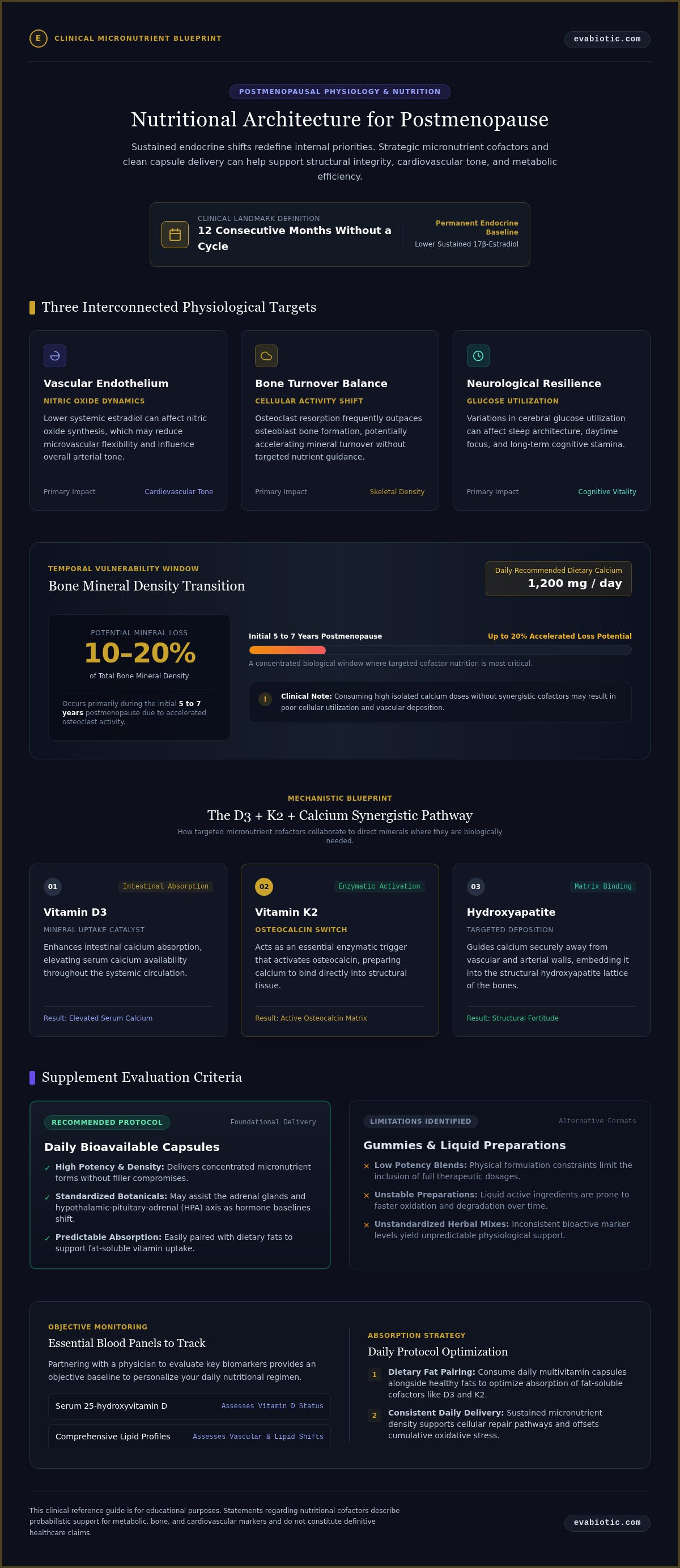
Clinically, postmenopause is defined as the permanent cessation of menses, formally verified once twelve consecutive months have elapsed without a menstrual cycle. Unlike the unpredictable hormone spikes characteristic of perimenopause, this stage establishes a new, stable endocrine baseline marked by sustained lower levels of circulating 17β-estradiol. This metabolic baseline means nutritional requirements diverge sharply from short-term symptom relief, shifting focus directly toward structural integrity, cardiovascular tone, and metabolic maintenance.
When searching for the best supplements for postmenopause, the objective shifts from short-term symptom relief to long-term systemic support. Establishing a daily multivitamin capsule regimen provides consistent micronutrient density. This foundational habit helps offset gradual physiological declines that can affect everyday wellness.
The Endocrine Shift and Systemic Health
Permanent ovarian transitions recalibrate metabolic demands across major organ systems. A thorough clinical grounding in Understanding Menopause highlights how declining ovarian steroid production alters broader cellular processes throughout the body. Without regular estrogenic stimulation, lipid profiles can shift unfavorably, while arterial walls may gradually lose baseline elasticity.
These persistent hormonal adjustments can influence several interconnected physiological markers:
- Vascular Endothelial Function: Lower systemic estradiol can affect nitric oxide synthesis, potentially reducing microvascular flexibility.
- Bone Remodeling Rates: Osteoclast activity frequently outpaces osteoblast formation, which can accelerate bone mineral turnover.
- Neurological Resilience: Shifts in cerebral glucose utilization may influence sleep architecture, daytime focus, and sustained cognitive stamina.
These interconnected changes show why comprehensive nutrient support matters. Targeted micronutrients help maintain metabolic balance across these systems over time.
Why Foundational Nutrition Takes Center Stage
Managing postmenopause requires moving past reactive approaches. Instead of chasing fluctuating hot flashes, systemic nutrition focuses on preserving structural tissues and cellular resilience. Consistent antioxidant and essential vitamin intake supports cellular repair pathways, which can counteract cumulative oxidative stress across tissues.
Selecting the best supplements for postmenopause requires evaluating how ingredients work together biologically. Rather than taking random handfuls of single-ingredient products, a single, high-potency daily multivitamin capsule ensures steady, predictable nutrient delivery. Partnering with a physician to evaluate blood panels, such as serum 25-hydroxyvitamin D and lipid profiles, provides an objective baseline to track your progress and personalize your daily intake.
Core Micronutrients That Support Postmenopausal Health
Selecting the best supplements for postmenopause means looking past broad, generic multivitamin blends and prioritizing targeted biochemical forms. During this phase, metabolic pathways demand precise cofactors to sustain skeletal density, vascular elasticity, and cellular efficiency. Rather than overloading your system with excessive single-nutrient doses, strategic micronutrient pairings can optimize how your body absorbs, processes, and utilizes essential compounds.
Skeletal Fortitude: Vitamin D3, K2, and Calcium Dynamics
Bone remodeling changes significantly during the initial five to seven years postmenopause, a window where women can lose up to 10 to 20 percent of their bone mineral density. While clinical guidelines advise maintaining 1,200 mg of daily calcium intake, primarily through food, consuming isolated calcium supplements without proper enzymatic cofactors can lead to poor utilization.
Clinical resources on postmenopausal health and nutrition emphasize combining bone-supportive nutrients rather than relying on high-dose minerals alone. Vitamin D3 can enhance intestinal calcium absorption, elevating serum mineral availability. Meanwhile, Vitamin K2 acts as an indispensable enzymatic switch, activating osteocalcin to bind calcium into the hydroxyapatite matrix of bones. This biological synergy can help direct calcium away from arterial tissues and embed it securely where structural integrity is needed most.
Cardiovascular and Neurological Micronutrients
Vascular tone and cognitive stamina also require specialized nutrient support. Declining estrogen levels can influence vascular resistance and brain energy metabolism, making cellular coenzymes particularly valuable.
- Methylated B-Vitamins: Bioactive forms like methylcobalamin (B12), pyridoxal-5-phosphate (B6), and methylfolate support one-carbon metabolism, which can affect homocysteine balance and vascular endothelial wellness.
- Magnesium: Because up to 68 percent of postmenopausal women may consume less than the recommended daily amount, replenishing magnesium can assist vascular smooth muscle relaxation and neuromuscular rest.
- Cellular Antioxidants: Trace minerals like selenium and zinc support enzymatic defense networks, which may protect mitochondrial membranes from sustained oxidative wear.
Integrating these synergistic nutrients into an intentional daily routine can streamline your wellness plan. Choosing a clean, capsule-based format like menopause relief multivitamins ensures you receive standardized, bioavailable cofactors designed to support systemic balance without unnecessary additives.
Botanical Extracts and Adaptogens for Postmenopausal Resilience
Evaluating the best supplements for postmenopause extends beyond essential vitamins and minerals. As ovarian follicular activity concludes, the adrenal glands assume primary responsibility for generating baseline steroid hormone precursors like DHEA, which peripheral tissues convert into estrone. For women exploring non-hormonal paths alongside conventional menopause treatment options, targeted botanical extracts offer a compelling way to support endocrine and neurochemical stability without introducing exogenous hormones.
Adrenal Support in the Postmenopausal Phase
Adrenal workload directly influences how comfortably your system adapts to lower circulating estrogen. Under chronic psychological or physiological stress, prolonged cortisol output can strain the hypothalamic-pituitary-adrenal (HPA) axis, worsening midlife fatigue and fragmenting sleep architecture. Adaptogenic botanicals, such as Ashwagandha, can modulate HPA-axis sensitivity by dampening excessive sympathetic nervous responses. Assisting this feedback loop can promote balanced cortisol rhythms, supporting daytime focus and more restorative nighttime rest.
Standardization and Safety in Herbal Ingredients
Purity and potency separate clinical-grade botanical supplements from ineffective alternatives. Many retail blends rely on unstandardized, crude plant powders that deliver inconsistent levels of active compounds across batches. Clinical efficacy depends on standardized marker profiles, which verify that every dose contains dependable concentrations of bioactive constituents. Reliable standardization ensures predictable biological activity while minimizing unwanted inert filler.
Safety screening is equally critical. Concentrated herbal compounds can interact with hepatic cytochrome P450 enzymes, potentially altering the metabolism of prescription pharmaceuticals. A non-hormonal supplement protocol should always be established with transparent, thoroughly vetted ingredients. You can read more about coordinating these botanical tools in our clinical guide to menopause health optimization, which outlines how to safely integrate targeted botanicals into daily life.
How to Evaluate and Select the Best Postmenopause Supplements
Identifying the best supplements for postmenopause requires a systematic evaluation method rather than relying on promotional marketing. Because the dietary supplement market contains substantial variability in ingredient sourcing and manufacturing standards, applying an objective four-step clinical framework protects both your wellness and your investment:
- Bioavailable Molecular Forms: Confirm that formulas utilize activated cofactors, such as methylcobalamin and chelated minerals, rather than cheap, poorly absorbed synthetic oxides.
- Standardized Active Markers: Ensure botanical inclusions guarantee confirmed percentages of bioactive constituents across production batches.
- Formulation Integrity: Verify the delivery format shields fragile active ingredients from light, air, and digestive breakdown without relying on artificial fillers.
- Third-Party Analytical Testing: Check for independent laboratory verification confirming label accuracy and testing for heavy metals, pesticides, and microbial contaminants.
Format Superiority: Why Capsules Outperform Gummies
Delivery format dictates both potency and stability. Gummy supplements face inherent manufacturing limitations that make them unsuitable for serious nutritional intervention. The heat and moisture required to produce pectin or gelatin matrices can degrade heat-sensitive micronutrients like Vitamin D3 and B-complex vitamins during fabrication. Gummies also introduce unneeded cane sugars, glucose syrups, and artificial flavorings that can disrupt postmenopausal glucose metabolism.
In contrast, clean vegetable capsules seal delicate powders without thermal damage or sweetening agents. Capsules accommodate significantly higher concentrations of bulk minerals and botanicals. This allows complete, clinical-grade potency within a streamlined daily serving size.
Formulation Transparency and Clean-Label Standards
Scrutinize the "other ingredients" panel before introducing any supplement to your daily regimen. Premium formulations avoid unnecessary binders, synthetic flow agents like hydrogenated oils, artificial colorants, and titanium dioxide. Choosing clean-label certifications ensures you receive unadulterated botanical compounds without biological burdens. For individuals seeking transparent sourcing, dedicated wellness retailers like Vita Ora highlight natural supplements, vitamins, and minerals that prioritize clean ingredients and quality formulations.
Establishing Daily Consistency Through Subscription Models
Systemic biochemical adaptations require unyielding daily consistency. Sporadic nutrient intake cannot provide the predictable blood plasma levels needed to support bone remodeling and vascular tone over time. Maintaining a complex regimen with multiple separate bottles often leads to pill fatigue, missed doses, and erratic adherence.
Consolidating your routine into a streamlined routine simplifies your morning habit. Many women find that a monthly subscription model removes the cognitive burden of managing reorders, guaranteeing consistent intake. You can explore our comprehensive analysis of menopause relief multivitamins to see how a singular, balanced formulation provides steady daily reinforcement. To establish an effortless, uninterrupted postmenopausal routine, you can order your 60-capsule supply directly and secure steady nutritional delivery each month.
Building a Sustainable Postmenopausal Wellness Protocol
Even the best supplements for postmenopause can't function in a biological vacuum. Micronutrients act as biochemical cofactors; their efficiency depends directly on the metabolic environment you create around them. Achieving enduring systemic resilience requires embedding your daily supplement intake within a comprehensive lifestyle protocol that reinforces nutrient delivery at the cellular level.
Timing plays a crucial role in nutrient uptake. Fat-soluble vitamins, particularly D3 and K2, require dietary lipids for efficient micellar incorporation in the gut, making it best to take them alongside a nutrient-dense morning or midday meal. Ingesting botanical capsules with food also supports digestive comfort. When structuring targeted protocols, nutraceutical specialists such as Labo Mariva emphasize how aligning daytime and evening supplements with your body's circadian rhythms can optimize nutrient uptake and support recovery. Biological adaptations take time; it typically requires 60 to 90 days of unbroken daily adherence for tissue nutrient pools to achieve steady-state balance and influence downstream metabolic activity.
Dietary and Lifestyle Synergy
Physical loading and dietary inputs work hand in hand with supplementation. Progressive resistance training generates mechanical tension across the skeletal system, creating the physical stimulus needed for bone-remodeling pathways to utilize circulating calcium and Vitamin D3 effectively. Pairing resistance work with adequate dietary protein supports muscle preservation, while high-fiber foods and steady hydration can support metabolic regularity and gut microbiome diversity. In the evening, dimming blue-light exposure protects natural melatonin synthesis, which can reinforce deeper, more restorative sleep architecture alongside adaptogenic herbs.
Integrating Evabiotic into Your Daily Regimen
Simplifying your routine removes friction and protects long-term compliance. Choosing Menopause Relief Multivitamins (60 Capsules) provides an expertly designed, clean daily capsule formulation that delivers steady physiological reinforcement without unnecessary binders or hormones. This targeted format eliminates the complexity of taking dozens of disconnected pills, providing essential micronutrients that may support bone mineral stability, vascular flexibility, and sustained cellular stamina.
Establishing an automated monthly subscription guarantees you never run out of your core micronutrients. Consistent, uninterrupted nutritional support forms the true cornerstone of healthy postmenopausal aging, helping you protect your long-term vitality every single day.
Taking a Proactive Step Toward Long-Term Systemic Balance
Entering postmenopause marks an empowering shift toward defending bone architecture, vascular elasticity, and metabolic stability. Choosing the best supplements for postmenopause isn't about masking temporary discomforts; it's about providing the bioavailable cofactors that can support daily cellular repair and adrenal equilibrium. By relying on synergistic micronutrients rather than fragmented formulas, you give your biology dependable, systemic reinforcement.
Streamlining this daily habit protects your long-term adherence. Explore Evabiotic Menopause Relief Multivitamins to anchor your wellness protocol with a targeted 60-capsule daily multivitamin formula. Built as a clean capsule formulation developed without hormone replacement therapy compounds, it works alongside a convenient automated monthly subscription so you never miss a day of essential nourishment.
With an intentional, science-backed approach to daily nutrition, you can navigate your postmenopausal years with genuine confidence, structural strength, and lasting vitality.
Frequently Asked Questions
What are the most essential supplements to consider taking during postmenopause?
The core micronutrients to prioritize include Vitamin D3 and Vitamin K2 for bone matrix maintenance, methylated B-complex vitamins for cellular methylation, and bioavailable magnesium for vascular relaxation. Standardized adaptogens can also assist adrenal baseline function. When evaluating the best supplements for postmenopause, a comprehensive multivitamin capsule that combines these synergistic cofactors helps ensure balanced, daily physiological support rather than relying on high doses of isolated nutrients.
Can a daily multivitamin help with postmenopausal fatigue and brain fog?
A targeted daily multivitamin can support mitochondrial energy production and cognitive endurance. Bioactive B-vitamins like methylcobalamin and pyridoxal-5-phosphate serve as vital cofactors in cellular methylation and neurotransmitter synthesis, which may influence daytime mental clarity. When combined with adaptogenic botanicals that support adrenal balance, regular supplementation can help buffer the central nervous system against physical fatigue and occasional brain fog without relying on harsh stimulants.
How do postmenopause nutritional needs differ from perimenopause requirements?
Perimenopause focuses largely on managing erratic hormone spikes and acute vasomotor episodes like hot flashes. In postmenopause, your body reaches a stable, sustained lower estrogen baseline. This endocrine shift reorients nutritional priorities toward protecting structural integrity, maintaining bone mineral density, and promoting vascular elasticity. Formulations designed as the best supplements for postmenopause emphasize foundational cellular repair and metabolic maintenance over temporary symptom relief.
Why are capsule supplements preferred over gummies for postmenopausal health?
Vegetable capsules protect sensitive micronutrients from the thermal degradation and moisture typical of gummy production. Gummy formats also introduce unnecessary sugars, corn syrups, and synthetic flavorings that can negatively influence glucose regulation. Capsules accommodate significantly higher potencies of bulk minerals and standardized botanicals within a single serving. This makes clean capsules the superior choice for dependable, pure nutrient delivery.
How long does it take to notice benefits after starting postmenopause supplements?
Nutritional supplementation requires steady adherence to yield tangible physiological adaptations. Because micronutrients work at the cellular level to replenish enzymatic pathways, tissue saturation typically requires 60 to 90 days of consistent daily use. While some women report subtle shifts in daytime stamina and sleep quality within four weeks, deeper systemic benefits for bone remodeling and cardiovascular elasticity develop gradually through uninterrupted daily nourishment.
Is it necessary to take calcium supplements if I am already taking Vitamin D3 and K2?
Excessive isolated calcium supplementation is often unnecessary if you consume calcium-rich dietary sources. Most clinical guidelines suggest obtaining the bulk of your 1,200 mg daily calcium target through whole foods. Vitamins D3 and K2 are the critical regulators that determine how effectively this dietary calcium is used. D3 enhances intestinal absorption, while K2 activates osteocalcin to direct calcium directly into bone tissues rather than arterial walls.
Can I take postmenopause supplements if I am not on hormone replacement therapy?
Yes, targeted postmenopausal multivitamin supplements are specifically formulated to provide non-hormonal systemic nourishment. If you aren't using hormone replacement therapy, targeted micronutrients and adaptogens can help support your adrenal glands as they generate baseline steroid precursors. Formulations like Evabiotic Menopause Relief Multivitamins contain clean, hormone-free ingredients designed to promote bone density, cardiovascular wellness, and metabolic balance naturally across your postmenopausal years.
Disclaimer
*These statements have not been evaluated by the Food and Drug Administration. This product is not intended to diagnose, treat, cure or prevent any disease. The views and nutritional advice expressed by AlphaHealth+ Nutrition are not intended for the purpose of providing medical advice. Please always consult your health care provider if you are taking any medications or have any medical conditions. Individual results may vary.