

Menopause Multivitamin: Guide to Cognitive Fortitude
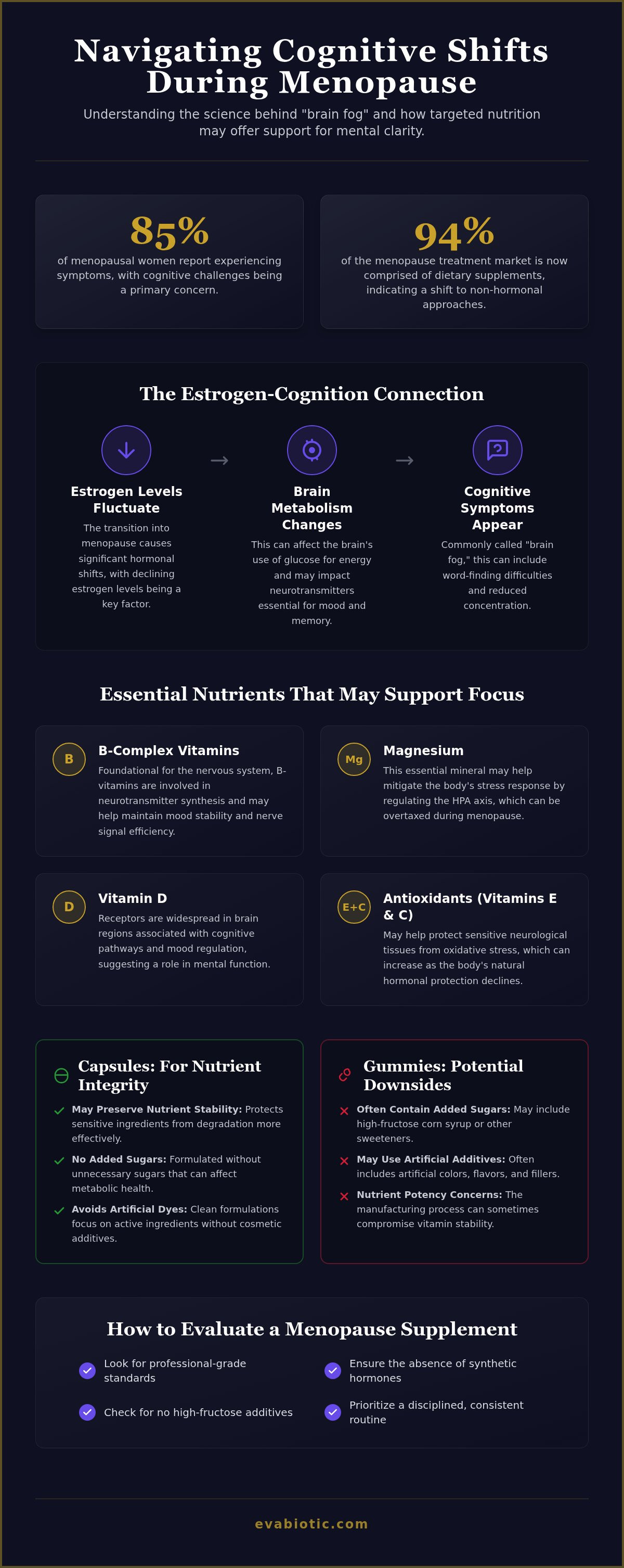
Statistics indicate that approximately 85% of menopausal women experience symptoms, with cognitive fog often being the most disruptive for those in demanding professional roles. It's common to feel less sharp or struggle with concentration on complex tasks, leading to valid concerns about cognitive decline during perimenopause. Identifying a targeted menopause multivitamin for focus may provide the systemic support necessary to address these neurological shifts. Dietary supplements now represent over 94% of the menopause treatment market, reflecting a significant shift toward non-hormonal, science-based interventions for long-term health.
You'll learn how specific nutritional protocols can support mental energy and word recall throughout your day. This guide explores the biological mechanisms behind cognitive fortitude and how a disciplined supplement routine may help you regain clarity. By prioritizing physiological balance over temporary stimulants, you can foster long-term resilience and sustained concentration during this transition. We'll examine the evidence for targeted interventions that may stabilize your cognitive performance and provide a reliable foundation for your daily routine.
Key Takeaways
- Understand how fluctuating estrogen levels can affect the brain’s metabolic rate, leading to common cognitive challenges such as word-finding difficulties and decreased concentration.
- Identify the physiological roles of B-complex vitamins and Magnesium in supporting neurotransmitter synthesis and maintaining a balanced nervous system response.
- Discover why selecting a menopause multivitamin for focus in a capsule format may preserve nutrient integrity better than gummy alternatives that often contain added sugars and artificial dyes.
- Learn how to evaluate supplement labels for professional-grade standards, ensuring the absence of synthetic hormones and high-fructose additives for optimal systemic support.
- Explore how a disciplined, subscription-based nutritional routine can help maintain the consistent nutrient levels required for sustained mental energy and cognitive resilience.
The Mechanism of Menopause-Related Cognitive Shifts
The transition into menopause involves more than just vasomotor symptoms; it represents a systemic shift that can impact the central nervous system. Estrogen is not merely a reproductive hormone. It functions as a key metabolic driver in the brain. Estrogen receptors are distributed throughout several regions, and when levels fluctuate, the brain's metabolic rate can change. This volatility can affect neurotransmitter function, specifically involving serotonin and acetylcholine, which are essential for mood regulation and memory. Understanding menopause-related cognitive shifts requires a look at this underlying biology rather than dismissing the experience as a simple lack of sleep.
Clinically, "brain fog" is described as a collection of cognitive challenges. It often manifests as difficulty with word-finding or a reduced ability to concentrate on complex tasks. These shifts are frequently linked to the hypothalamus. This region of the brain acts as a command center, regulating both body temperature and cognitive processing. When the hypothalamus is taxed by hormonal fluctuations, it can lead to a decrease in mental resilience. Systemic physiological stress during this period can further deplete the brain's resources, making it harder to maintain a steady state of focus during the workday.
The Estrogen-Cognition Connection
Estrogen may play a critical role in maintaining synaptic plasticity in the hippocampus, the area of the brain responsible for memory and learning. As levels decline, the brain's ability to utilize glucose for energy can be affected. This metabolic slowdown often mirrors the "foggy" feeling many women report. Cognitive resilience is the ability to maintain focus despite physiological shifts. Supporting this resilience requires a targeted approach to nutrient intake that accounts for these specific metabolic changes.
Distinguishing Menopause Fog from Other Conditions
It's vital to identify the unique timing of these changes, which typically emerge during perimenopause. Unlike general age-related decline, these shifts are often sudden and coincide with other hormonal markers. Sleep disruptions, such as night sweats, frequently intersect with daytime mental fatigue, creating a compounding effect on cognitive performance. A standard daily supplement may lack the specific concentrations required to address these nuances. Using a menopause multivitamin for focus can provide a more precise nutritional intervention. These targeted formulas are designed to support the specific pathways that estrogen once managed, potentially helping to stabilize cognitive function through a non-hormonal, systemic approach.
Essential Nutrients that May Support Focus and Mental Clarity
Addressing the physiological shifts described in the previous section requires a targeted nutritional strategy. While a generic supplement provides baseline support, a specialized menopause multivitamin for focus addresses the specific metabolic demands of the menopausal brain. Research from UCLA Health indicates that menopause-related cognitive impairment is a documented experience for many. It's a complex transition, but targeted interventions can support the pathways involved in memory and executive function.
B-complex vitamins are foundational for the synthesis of neurotransmitters like serotonin and dopamine. These chemical messengers are critical for maintaining a steady mood and sustained attention. Magnesium acts as a primary mineral for the nervous system. It may help mitigate the systemic stress response by regulating the HPA axis. Vitamin D receptors are also widespread throughout the brain, particularly in areas associated with cognitive pathways and mood regulation. Antioxidants like Vitamin E and C may protect neurological tissues from oxidative stress, which can increase as hormonal protection declines.
B-Vitamins and Neurological Vitality
B12 and Folate work in synergy to support the integrity of the myelin sheath. This protective layer ensures efficient signal transmission between neurons. B6 may also influence mood stability, which directly impacts your ability to concentrate on demanding tasks. For a broader context on managing these changes, you can refer to our Hormonal Transition Support: A Clinical Guide to Physiological Resilience.
Botanical Support: The Role of Ashwagandha
Ashwagandha is a recognized adaptogen that can affect cortisol regulation. Chronic elevation of cortisol often leads to mental clutter and difficulty with task switching. By supporting a more balanced stress response, Ashwagandha may lead to improved focus. The clinical significance of using standardized botanical extracts ensures that each capsule provides a consistent concentration of active compounds.
Maintaining cognitive fortitude requires a methodical approach to supplementation. Choosing a high-quality menopause multivitamin for focus ensures that these essential nutrients are delivered in a bioavailable format. This precision supports the systemic balance needed to navigate professional responsibilities with clarity.
Evaluating Supplement Formats: Why Capsules May Offer Superior Stability
The efficacy of a supplement is fundamentally linked to its delivery system. When selecting a menopause multivitamin for focus, the physical format determines how well the active ingredients survive the journey from the bottle to your systemic circulation. Capsules act as a specialized protective barrier, shielding sensitive micronutrients from environmental factors like light and oxidation. This protection is vital for volatile compounds such as Vitamin C and B-complex vitamins, which can degrade rapidly if left exposed. By utilizing a capsule, manufacturers can ensure that the potency listed on the label remains consistent throughout the product's shelf life.
Precision in dosing is another significant advantage of the capsule format. During the manufacturing process, dry ingredients are measured with high accuracy before being sealed. This contrasts with other formats where nutrient distribution can be uneven. For a woman managing complex professional tasks, consistency is a requirement. A standardized capsule ensures that the brain receives the same baseline of support every day, which may affect the maintenance of cognitive fortitude over time.
The Limitations of Gummy and Liquid Supplements
While gummy formats have gained popularity for their taste, they often compromise nutritional integrity. Gummy vitamins frequently exhibit lower shelf-life stability, particularly for delicate nutrients like B12. To mask the natural taste of minerals, these products often contain glucose, corn syrup, or artificial dyes. These additives can interfere with metabolic goals during the menopausal transition, where insulin sensitivity may already be shifting. Liquid supplements face similar challenges; they are often prone to microbial growth and require preservatives that may trigger sensitivities. Professional-grade supplements prioritize chemical stability and metabolic neutrality, which is why capsule delivery remains the industry standard for clinical applications.
Manufacturing Standards and Purity
The manufacturing environment plays a decisive role in the final quality of a supplement. US-based manufacturing facilities adhere to rigorous quality control protocols that ensure every batch meets defined purity standards. This meticulousness extends to the exclusion of unnecessary fillers or binders that could lead to digestive discomfort. For those concerned with how their supplement routine might impact their gut health, understanding Vitamins for Menopause Bloating: A Clinical Perspective on Digestive Resilience can provide essential context. A clean capsule format minimizes the risk of introducing irritants into the digestive tract.
Bioavailability is a final critical factor influenced by the delivery format. High-quality capsules are designed to dissolve at a specific rate within the digestive tract, facilitating the steady absorption of nutrients. This controlled release can affect how effectively the brain receives the support it needs for cognitive resilience. Choosing a 60-capsule monthly supply ensures that you have a consistent, precisely-dosed routine without the metabolic burden of added sugars.
Selecting a Menopause Multivitamin for Professional Performance
For the professional woman, cognitive precision is a fundamental asset that requires deliberate maintenance. Evaluating a potential menopause multivitamin for focus involves more than checking a list of ingredients; it requires a commitment to quality and transparency. You should rigorously assess the inclusion of focus-oriented nutrients like B12 and Magnesium. These compounds are essential for the biochemical processes that facilitate clear thinking and rapid information processing. It's also imperative to verify the absence of synthetic hormones or high-fructose additives. These fillers can disrupt the systemic balance you are seeking to optimize. A professional-grade supplement should prioritize physiological integrity over shelf-appeal or flavor.
When selecting a supplement, consider these specific criteria to ensure the formula supports your workplace performance:
- Bioavailability: Ensure nutrients are in forms the body can readily utilize for neurological support.
- Purity: Confirm the product is manufactured in a facility that adheres to strict quality control protocols.
- Synergy: Look for formulas where ingredients work together to support both cellular energy and cognitive clarity.
Addressing Fatigue to Improve Concentration
Cognitive focus is often compromised by underlying physical exhaustion. When the body lacks cellular energy, the brain's ability to process and recall information can slow down. A balanced multivitamin may support energy metabolism at a cellular level by providing the cofactors necessary for efficient ATP production. If you're experiencing persistent lethargy, integrating specific energy strategies can be beneficial. You can find more detailed information in our guide on Managing Menopause Fatigue: A Guide to Vitality (2026). By addressing the physical roots of fatigue, you create a stable foundation for mental performance throughout the workday.
The Importance of Consistency in Cognitive Support
Neurological support is a cumulative process. It's not an immediate fix that happens overnight. Daily adherence plays a critical role in maintaining systemic hormonal balance and nutrient saturation. The brain requires a steady supply of micronutrients to adapt to the physiological shifts that occur during perimenopause. This is why a 60-capsule supply is advantageous. It provides the necessary runway for observing benefits as the body integrates the nutrients. A subscription model ensures that your routine remains uninterrupted, preventing the "spaced out" feeling that can occur when nutrient levels dip. Consistency is the bridge between a temporary boost and long-term cognitive resilience.
To maintain the mental sharpness required for high-level decision making, consider a solution designed for systemic support. You can secure a consistent supply of professional-grade nutrients by choosing Menopause Relief Multivitamins via a convenient subscription.
Optimizing Cognitive Fortitude with Evabiotic Menopause Relief
Evabiotic Menopause Relief is formulated for the disciplined woman who seeks systemic balance during a period of significant physiological change. This non-hormonal, capsule-based approach prioritizes clean, precise nutrition, avoiding the metabolic interference of added sugars or synthetic fillers common in other formats. By supporting the underlying physiological foundation required for mental clarity, this targeted menopause multivitamin for focus may affect the brain's resilience. It isn't a temporary stimulant; it's a foundational intervention designed for those who value long-term cognitive health over quick-fix solutions. Incorporating this routine into a broader wellness strategy ensures that your neurological system receives the steady support it requires to function optimally.
A Clinical Approach to Menopause Wellness
The formula relies on a clinical understanding of the synergy between high-potency B-vitamins and botanical adaptogens like Ashwagandha. These ingredients are selected for their documented roles in neurotransmitter synthesis and the regulation of the stress response. Our commitment to quality is reflected in US-based manufacturing and adherence to rigorous testing standards. This meticulousness ensures that each capsule delivers a consistent concentration of active compounds, providing the reliability that professional performance demands. We invite you to explore the Menopause Relief Multivitamins product page to view the full nutritional profile and technical specifications.
Empowerment Through Informed Choice
Empowerment comes from moving away from cognitive confusion and toward an informed, science-backed nutritional plan. When you choose a supplement based on its biochemical relevance, you're making a rational decision for your long-term health. The Evabiotic subscription model facilitates this by providing a reliable, 60-capsule supply every month, ensuring your routine remains uninterrupted. Consistency is necessary because the brain's adaptation to nutrient support is a cumulative process that happens over weeks. When this formula is integrated as your daily menopause multivitamin for focus, you gain a steady baseline of support that may affect your ability to maintain concentration during demanding tasks.
Experience systemic cognitive support with Evabiotic Menopause Relief. By committing to a methodical, quality-driven routine, you can approach the menopausal transition with the clarity and confidence required for your professional and personal life.
Cultivating Long-Term Cognitive Resilience
Navigating the neurological shifts of the menopausal transition requires a methodical approach grounded in scientific integrity. We've explored how fluctuating estrogen can affect the brain's metabolic rate and how targeted nutrients like B-complex vitamins and Magnesium may support these essential pathways. Choosing a high-quality menopause multivitamin for focus ensures that your neurological system receives the precise cofactors it needs for sustained clarity. This systemic support is essential for maintaining professional performance during a period of significant physiological change.
A clinical-grade capsule formulation offers superior stability compared to sugary alternatives; it preserves the potency of volatile ingredients throughout the product's shelf life. Our US-manufactured supplements are designed for daily adherence, which is why we offer flexible subscription options to maintain consistent support without interruption. You can invest in your cognitive resilience with Evabiotic Menopause Relief to begin your journey toward a more balanced state. With the right nutritional foundation, you can approach this transition with confidence and mental fortitude.
Frequently Asked Questions
Can a menopause multivitamin really help with my focus?
A specialized menopause multivitamin for focus may affect cognitive performance by addressing the specific nutritional gaps created by hormonal fluctuations. These formulas provide essential cofactors like B-vitamins and Magnesium that are necessary for neurotransmitter synthesis and cellular energy production in the brain. By stabilizing these metabolic pathways, a high-quality supplement can support mental clarity and executive function during the transition.
How long does it take for a focus supplement to start working?
Nutritional interventions typically require a cumulative period of approximately four to eight weeks to establish systemic balance. Because these nutrients work by supporting long-term physiological pathways rather than providing a temporary stimulant effect, daily adherence is necessary. A 60-capsule supply provides a sufficient duration for the body to integrate these compounds and for you to observe potential shifts in cognitive fortitude.
Are there any side effects to taking menopause vitamins for brain fog?
Most professional-grade menopause multivitamins are well-tolerated, though some individuals may experience mild digestive shifts as the body adjusts to new nutrient concentrations. Choosing a clean, capsule-based formula without artificial dyes or high-fructose additives can minimize the risk of sensitivities. It's always a prudent clinical practice to consult with a healthcare professional before starting a new supplement routine, especially if you have existing medical conditions.
Is it better to take a capsule or a gummy for menopause focus?
Capsules are generally considered superior for cognitive support because they provide a protective barrier for volatile nutrients like Vitamin B12. Unlike gummies, which often contain added sugars and artificial colors, capsules maintain a precise and stable dose of active ingredients. This delivery format ensures that the brain receives high-quality, bioavailable nutrients without the metabolic burden of glucose or corn syrup.
Can I take these multivitamins if I am already on HRT?
Natural, non-hormonal multivitamins are often used alongside Hormone Replacement Therapy (HRT) to provide systemic nutritional support. While HRT addresses primary hormonal levels, a menopause multivitamin for focus can provide the specific micronutrients needed for neurological metabolic processes. You should coordinate with your prescribing physician to ensure that your total nutrient intake aligns with your specific clinical needs.
What is the best time of day to take a menopause multivitamin for focus?
Taking your supplement in the morning with a meal is often recommended to optimize the absorption of fat-soluble vitamins and support mental energy throughout the workday. Consistently taking the capsules at the same time each day helps maintain steady nutrient levels in the bloodstream. This methodical approach reinforces the daily routine required for long-term cognitive resilience and focus.
Does Ashwagandha in menopause supplements help with concentration?
Ashwagandha is a recognized adaptogen that may affect concentration by supporting the regulation of cortisol, the body's primary stress hormone. Elevated cortisol levels can lead to mental clutter and difficulty with task switching, which often compromises professional performance. By helping the body maintain a balanced stress response, Ashwagandha can foster a calmer physiological environment conducive to sustained focus and word recall.
Why do I lose focus more easily during the menopausal transition?
Cognitive shifts during menopause are primarily linked to declining estrogen levels, which can affect the brain's metabolic rate and glucose utilization. The hypothalamus, which regulates both temperature and cognitive processing, may become less efficient during these hormonal fluctuations. This systemic shift often results in the collection of challenges known as brain fog, making it harder to maintain concentration on complex or demanding tasks.
Disclaimer
*These statements have not been evaluated by the Food and Drug Administration. This product is not intended to diagnose, treat, cure or prevent any disease. The views and nutritional advice expressed by AlphaHealth+ Nutrition are not intended for the purpose of providing medical advice. Please always consult your health care provider if you are taking any medications or have any medical conditions. Individual results may vary.