

Natural Menopause Remedies: Clinical Support Guide (2026)
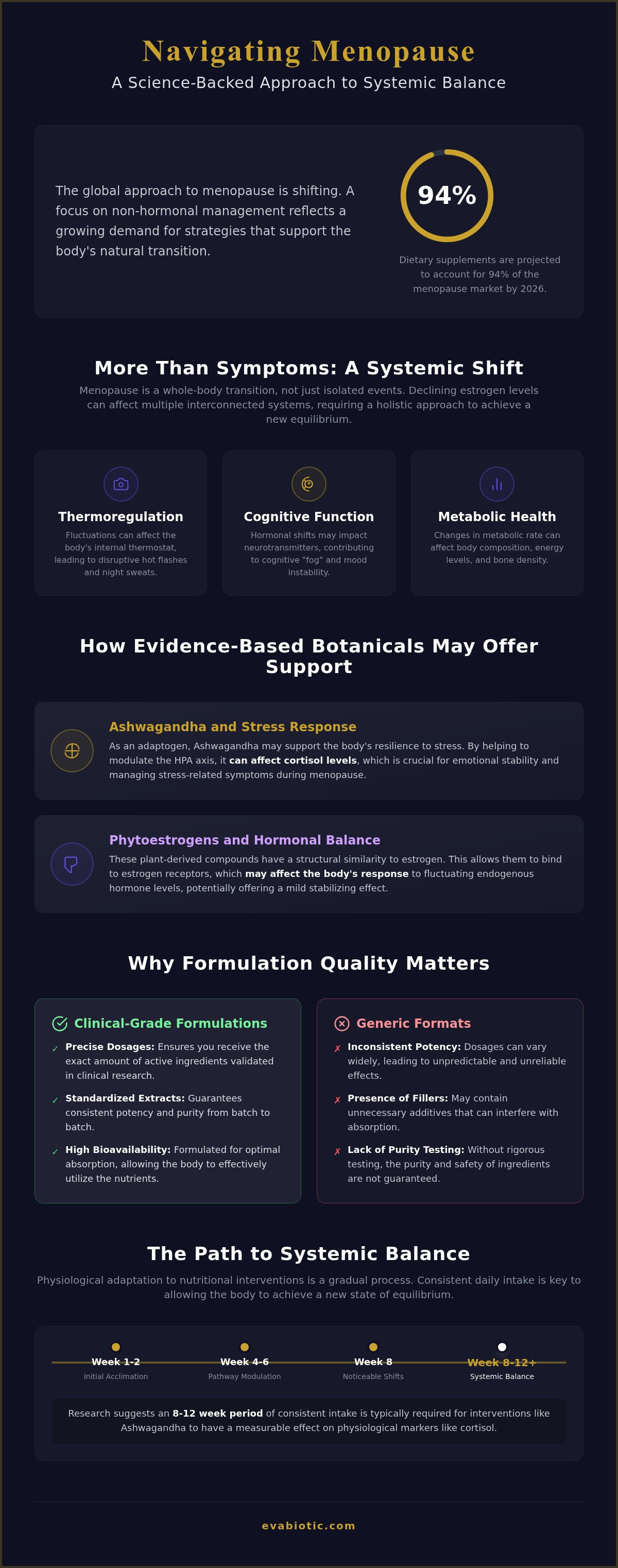
Statistics show that dietary supplements account for 94% of the menopause market in 2026, reflecting a global shift toward non-hormonal management. While many women seek natural remedies for menopause to avoid the complexities of prescription therapy, the challenge lies in identifying which interventions are grounded in rigorous clinical evidence. You likely recognize the frustration of disruptive hot flashes, cognitive "fog" that impacts professional performance, and metabolic shifts that seem to occur overnight. These aren't just isolated symptoms; they're signals of a system striving for a new equilibrium.
This article provides a science-backed framework for utilizing botanical and nutritional interventions designed to foster systemic resilience. You'll discover how specific daily protocols may affect hormonal balance and energy levels, offering a return to physiological stability. We'll explore the clinical support for standardized extracts, such as how Ashwagandha can affect cortisol and stress levels within eight weeks. This guide previews a methodical approach to long-term health, moving beyond "miracle" claims to focus on the precise mechanisms that can support your transition through menopause with clarity and confidence.
Key Takeaways
- View the menopausal transition as a systemic physiological shift that affects multiple bodily systems rather than a series of isolated symptoms.
- Examine how evidence-based natural remedies for menopause, including botanical adaptogens, may support adrenal function and thermoregulation.
- Distinguish between clinical-grade capsule formulations and generic formats to ensure you are receiving precise, stable dosages of active ingredients.
- Learn why physiological adaptation to nutritional interventions typically requires an 8-12 week period of consistent daily intake to achieve systemic balance.
- Develop a comprehensive management strategy that combines targeted micronutrients with lifestyle interventions to support metabolic health and cognitive clarity.
Understanding the Menopausal Transition: A Systemic Physiological Shift
Menopause is frequently reduced to a checklist of symptoms like hot flashes or night sweats. This perspective is limited. In reality, it represents a profound systemic physiological shift that reconfigures how the body functions. As estrogen levels decline, the impact resonates across multiple biological systems, including thermoregulation, bone density, and metabolic rate. Understanding Menopause requires viewing it as a whole-body transition rather than a collection of isolated events. This shift is why many women prioritize finding evidence-based natural remedies for menopause that address the body's foundational needs rather than just masking superficial discomfort.
By 2026, the clinical consensus has moved toward integrated, multi-nutrient approaches. The goal of this modern strategy is systemic resilience. This term refers to the body's ability to maintain equilibrium and functional integrity despite significant hormonal changes. Research indicates that dietary supplements now account for 94% of the menopause market, reflecting a widespread demand for non-hormonal management that supports the body's internal architecture during this transition.
The Role of Hormonal Fluctuations in Daily Vitality
Estrogen decline doesn't happen in a vacuum. It can affect neurotransmitter regulation, particularly serotonin and dopamine, which are critical for mood stability and cognitive function. These fluctuations may also impact cortisol sensitivity. When cortisol levels are poorly regulated, it can lead to heightened stress responses and disrupted sleep patterns. Systemic balance is the optimization of physiological feedback loops. When these loops are supported, the body can adapt more effectively to its new hormonal environment without the severe disruptions often associated with perimenopause and postmenopause.
Why Natural Interventions are Gaining Clinical Interest
There is a growing body of research focused on botanical adaptogens and their role in endocrine support. Many women prefer non-hormonal strategies for long-term wellness to avoid the complexities of other treatments. Science-backed vitamins and minerals are essential for maintaining physiological health during this phase. High-quality natural remedies for menopause can affect metabolic resilience and energy production by providing the specific micronutrients the body requires to function under endocrine stress. Clinical interest has spiked because these interventions, such as those found in Menopause Relief Multivitamins, offer a methodical way to support the body's natural transition while maintaining purity and dosage precision.
Botanical and Nutritional Mechanisms: How Natural Remedies May Support Balance
The efficacy of natural remedies for menopause depends on their ability to modulate specific biochemical pathways. These interventions are not merely symptomatic masks. They can affect the body’s fundamental ability to adapt to declining estrogen levels. Phytoestrogens, for instance, are plant-derived compounds that possess a structural similarity to 17β-estradiol. This allows them to bind to estrogen receptors, potentially providing a mild stabilization effect as endogenous hormone levels fluctuate. Clinical guidance on Menopause Symptoms and Management emphasizes that targeted nutritional support is a pillar of long-term health during this transition.
Adaptogens play a critical role in supporting the adrenal system. As ovarian function decreases, the adrenal glands take on a more prominent role in hormone precursor production. By modulating the stress response, these botanicals support the body's internal equilibrium. This systemic approach helps maintain functional integrity across various physiological feedback loops. It's a methodical way to foster resilience from the inside out.
Ashwagandha and Cortisol: Managing Stress and Mood
Utilizing Ashwagandha for menopause may support emotional stability by regulating the hypothalamic-pituitary-adrenal (HPA) axis. This regulation is vital because stress management is intrinsically linked to the severity of vasomotor symptoms. High cortisol levels can exacerbate the frequency and intensity of hot flashes. Botanical support can also affect sleep quality, which is often compromised during the menopausal transition. Improved sleep hygiene and reduced cortisol sensitivity create a foundation for better daily vitality and cognitive clarity. To further support the emotional and spiritual dimensions of this transition, Starseed Essence Shoppe provides organic flower essences and gemstone-infused remedies.
Essential Micronutrients for Bone and Heart Health
Bone density maintenance requires a synergistic approach. Vitamin D and K2 work in tandem to ensure calcium is directed to the skeletal matrix rather than soft tissues. This partnership is essential for long-term structural integrity. B-vitamins can affect cognitive function and nerve health by supporting myelin sheath integrity and neurotransmitter synthesis. These nutrients help mitigate the "brain fog" often reported during hormonal shifts. Additionally, antioxidants play a role in cardiovascular resilience by managing oxidative stress, which typically increases as estrogen levels decline.
Achieving these benefits requires precision in both formulation and consistency. A professional-grade Menopause Relief Multivitamin in a 60-capsule format ensures the stability and daily dosage accuracy needed for these natural remedies for menopause to support systemic balance effectively.
Evaluating Natural Options: Clinical-Grade Capsules vs. Generic Formats
Selecting natural remedies for menopause requires a discerning look at delivery systems and manufacturing standards. The market is saturated with options, but clinical efficacy depends on stability and bioavailability. A professional-grade approach prioritizes standardized extracts. This ensures that every dose contains a precise concentration of active botanical compounds, such as withanolides in Ashwagandha. While single-herb pills are common, a comprehensive menopause relief multivitamin can affect multiple physiological pathways simultaneously. This multi-nutrient strategy is often more effective for managing menopause symptoms than isolated interventions because it addresses the systemic nature of the transition.
The criteria for a clinical-grade supplement involve more than just the ingredients list. It encompasses the entire lifecycle of the product, from raw material sourcing to the final stability testing. Generic formats often prioritize taste or convenience over biochemical integrity. In contrast, a clinical-grade supplement focuses on the precision of the formulation to ensure that the nutrients can affect the intended biological targets without interference from unnecessary additives.
The Science of Supplement Delivery: Why Capsules Matter
Capsules serve as a protective barrier for sensitive botanical ingredients. They shield delicate compounds from oxidation and light, which can degrade potency over time. Unlike gummy or liquid formats, capsules do not require added sugars, gelatin, or artificial binders. These additives can complicate the formula and may interfere with the absorption of micronutrients. A standard 60-capsule count provides a methodical approach to daily dosing. This specific quantity ensures a consistent supply of nutrients for a full 30-day cycle, which is necessary for the body to adapt to the intervention. Precision in dosing is the cornerstone of any science-backed regimen.
Purity and Transparency in Manufacturing
Rigorous manufacturing standards are non-negotiable for high-quality natural remedies for menopause. US-based manufacturing and third-party testing provide an essential layer of verification for purity and label accuracy. When evaluating a supplement, look for the "active" ingredients list and scrutinize any "other ingredients" for fillers like magnesium stearate or titanium dioxide. Transparency in sourcing and testing builds the trust required for long-term health decisions. Nutritional resilience is the consistent intake of high-purity micronutrients. This consistency allows the body to maintain functional stability even as hormonal levels shift. By choosing products that adhere to these standards, you ensure that your health investment is grounded in scientific integrity. For those who wish to explore other high-purity, lab-tested wellness options like cannabis to support relaxation and sleep, visit Green Express DC for premium, discreetly delivered selections.
Integrating natural remedies for menopause into a structured daily routine ensures that the physiological benefits of botanicals and micronutrients are maximized. A successful management plan requires a holistic framework that combines targeted nutrition with strategic lifestyle adjustments. Consistency is the most critical variable in this equation. Without a predictable daily regimen, the body lacks the steady state of nutrients required for physiological adaptation. Strategic interventions, such as optimizing sleep hygiene and implementing temperature regulation techniques, can affect the severity and frequency of night sweats, providing a more stable foundation for systemic resilience.
Addressing hormonal weight gain during menopause also requires a specific metabolic focus. As estrogen levels decline, the body’s insulin sensitivity and fat distribution patterns shift. A diet rich in phytonutrients and lean proteins can affect these metabolic pathways, supporting a more stable weight profile. This transition isn't just about managing symptoms; it's about re-optimizing your body's functional health for a new stage of life.
Cognitive Fortitude and Professional Performance
For many professional women, the most disruptive aspect of the transition is menopause brain fog. This cognitive shift can affect memory, concentration, and the ability to multitask effectively. Focused nutrition, particularly the intake of B-vitamins and antioxidants, may support cerebral blood flow and neurotransmitter health. Practical workday strategies include:
- Prioritizing complex tasks during peak morning energy windows.
- Implementing structured breaks to manage cognitive load.
- Utilizing digital tools to supplement short-term memory during high-stress periods.
Metabolic Support and Nutritional Density
The menopausal transition often necessitates a shift in macronutrient priorities, particularly an increase in protein requirements to maintain muscle mass and metabolic rate. Limiting ultra-processed foods can affect blood glucose stability, reducing the energy crashes that often mimic hormonal fatigue. There is a clear synergy between a nutrient-dense diet and a high-quality multivitamin. While food provides the bulk of your caloric needs, a clinical-grade supplement ensures that specific micronutrient gaps are filled. To support your systemic balance through this transition, consider a subscription to Menopause Relief Multivitamins to maintain the consistency your physiology requires. Implementing these natural remedies for menopause as part of a disciplined lifestyle plan creates the long-term resilience needed for a smooth transition.
Sustainable Support: The Role of Consistent Daily Nutrition
Achieving results with natural remedies for menopause requires a fundamental shift in perspective. Immediate physiological changes aren't the objective. Instead, the body requires a period of nutritional loading. This process involves the gradual accumulation of micronutrients and botanical compounds until they reach a steady state in the tissues. Unlike acute pharmaceutical responses, natural strategies work by reinforcing the body's internal feedback loops over time.
Clinical observations indicate that an 8-12 week period is typically required for full physiological adaptation to botanical interventions. During this window, the endocrine system calibrates its response to the new nutritional baseline. A subscription model serves as a strategic tool for maintaining this systemic support. Interrupted intake can stall the progress of nutritional loading, which may affect the overall timeline for reaching hormonal resilience. Consistency isn't just a habit; it's a physiological requirement for success.
A targeted multivitamin can affect long-term health and longevity by providing the structural and metabolic support the body needs after the transition. This disciplined approach ensures that the body remains resilient against the oxidative stress and metabolic shifts that can occur in later years. By maintaining a steady supply of high-purity nutrients, you provide your system with the tools necessary for sustained vitality.
Tracking Your Progress: The Systemic Balance Log
Monitoring your transition is essential for recognizing the efficacy of your regimen. A Systemic Balance Log allows you to track symptom frequency and intensity with precision. You should also adjust lifestyle factors, such as dietary density and stress management, alongside your supplement intake. Subtle signs of improved physiological resilience often appear before major symptoms subside. These may include more stable energy levels throughout the afternoon or a slight improvement in cognitive recovery after a demanding workday. Recognizing these incremental shifts is key to staying committed to your long-term wellness plan.
Choosing Your Path to Menopause Wellness
A professional, science-backed approach is the most reliable way to navigate the menopausal transition. It's vital to consult with a healthcare professional before starting new regimens to ensure they align with your specific health profile. This ensures your strategy is both safe and optimized for your unique physiological needs. For those seeking a disciplined, high-purity solution, explore Evabiotic Menopause Relief Multivitamins. Choosing a 60-capsule format ensures you have the precise, stable dosage required for these natural remedies for menopause to support your long-term health and systemic resilience.
Establishing Your Path to Long-Term Systemic Balance
The menopausal transition is a complex physiological evolution that requires more than isolated symptom management; it demands a methodical strategy rooted in scientific integrity. By viewing this phase as a systemic shift, you can better utilize natural remedies for menopause that support the body's internal feedback loops. Priority must be placed on clinical-grade delivery formats and the 8-12 week period required for nutritional loading to reach a steady state. Consistency is the differentiator between a trendy purchase and a long-term health investment.
A disciplined daily regimen, paired with lifestyle optimizations like temperature regulation and metabolic support, creates a foundation for hormonal resilience. High-purity ingredients, such as standardized Ashwagandha, can affect your ability to maintain cognitive clarity and energy levels throughout this transition. You have the tools to navigate this change with quiet confidence and rational decision-making. Optimize your systemic balance with Evabiotic Menopause Relief Multivitamins. This clinical-grade 60-capsule formula uses science-backed botanical ingredients designed for systemic physiological support. Take the next step toward reclaiming your balance and long-term vitality.
Frequently Asked Questions
Can natural remedies for menopause be as effective as HRT?
Natural interventions offer a non-hormonal alternative that may support systemic balance during the transition. While they don't replace the specific hormones provided by HRT, botanical extracts can affect the frequency of vasomotor symptoms and overall well-being. Many women prefer these natural remedies for menopause to avoid the side effects associated with prescription therapies. The choice depends on individual physiological needs and health history, so consulting a specialist is recommended to determine the most appropriate framework.
How long does it take for natural menopause supplements to work?
Physiological adaptation to botanicals typically requires a consistent period of 8 to 12 weeks. This timeframe allows for "nutritional loading," where micronutrients reach a steady state within the system. While some subtle shifts in energy or mood may be noticed earlier, the full impact on systemic resilience usually manifests after three months of daily intake. Maintaining a subscription ensures the consistency needed to support these long-term biological feedback loops without interruption.
Is Ashwagandha safe to take during menopause?
Ashwagandha is a clinically studied adaptogen that is generally considered safe for most women during the menopausal transition. It can affect the hypothalamic-pituitary-adrenal axis, which may help regulate cortisol levels and stress responses. Research often utilizes dosages between 300mg and 600mg daily to support emotional stability. However, individuals with specific thyroid conditions or those taking certain medications should verify safety with a healthcare provider before beginning a new botanical regimen to ensure it's appropriate for their needs.
What are the best vitamins to take for menopause brain fog?
B-vitamins, particularly B6 and B12, are essential for supporting neurotransmitter synthesis and cognitive function. These micronutrients can affect memory and concentration by maintaining nerve health. Additionally, antioxidants like Vitamin C and E may support cerebral blood flow by managing oxidative stress. A targeted multivitamin ensures these nutrients are delivered in precise, stable dosages. Combining these with high-purity botanicals may help foster the cognitive fortitude required for professional performance during hormonal shifts.
Are there any side effects to taking botanical menopause relief?
While botanical interventions are generally well-tolerated, some individuals may experience mild digestive sensitivity or headaches as the body adapts. The quality and purity of the supplement are critical factors in minimizing adverse reactions. Clinical-grade capsules avoid the artificial binders and high sugar content found in gummy formats, which can affect metabolic stability. Selecting products that undergo third-party testing ensures the absence of contaminants that often cause unexpected physiological responses in lower-quality herbal options.
Can natural remedies help with menopause weight gain?
Natural interventions can affect metabolic resilience by supporting insulin sensitivity and adrenal health. While they aren't weight-loss products, certain micronutrients and adaptogens may help manage the underlying hormonal shifts that contribute to fat redistribution. A science-backed approach combines targeted nutrition with lifestyle adjustments to address metabolic slowing. Consistency in a daily regimen can support the body's ability to maintain a stable weight profile despite declining estrogen levels and changing fat-storage patterns.
How do I choose between a capsule and a gummy menopause supplement?
Capsules are the professional standard for stability, purity, and dosage precision. They protect sensitive botanical extracts from oxidation and don't require the sugars or gelatin found in gummies. For a clinical-grade approach, a 60-capsule format provides a precise 30-day supply that supports systemic balance. Gummies often lack the concentration of active ingredients needed for physiological adaptation. Choosing a capsule ensures you are receiving high-purity micronutrients without unnecessary additives that can affect metabolic health.
Should I take a multivitamin or individual herbal supplements for menopause?
A comprehensive multivitamin is often preferred because it addresses the systemic nature of the transition through synergistic nutrient combinations. Individual supplements can lead to dosage imbalances or missed interactions between vitamins and botanicals. A targeted formula, like a 60-capsule menopause relief multivitamin, ensures that all components work together to support bone density, heart health, and cognitive clarity. This integrated strategy provides more holistic support for long-term physiological resilience than isolated herbal pills.
Disclaimer
*These statements have not been evaluated by the Food and Drug Administration. This product is not intended to diagnose, treat, cure or prevent any disease. The views and nutritional advice expressed by AlphaHealth+ Nutrition are not intended for the purpose of providing medical advice. Please always consult your health care provider if you are taking any medications or have any medical conditions. Individual results may vary.