

Perimenopause Natural Treatment: A Clinical Guide to Systemic Support
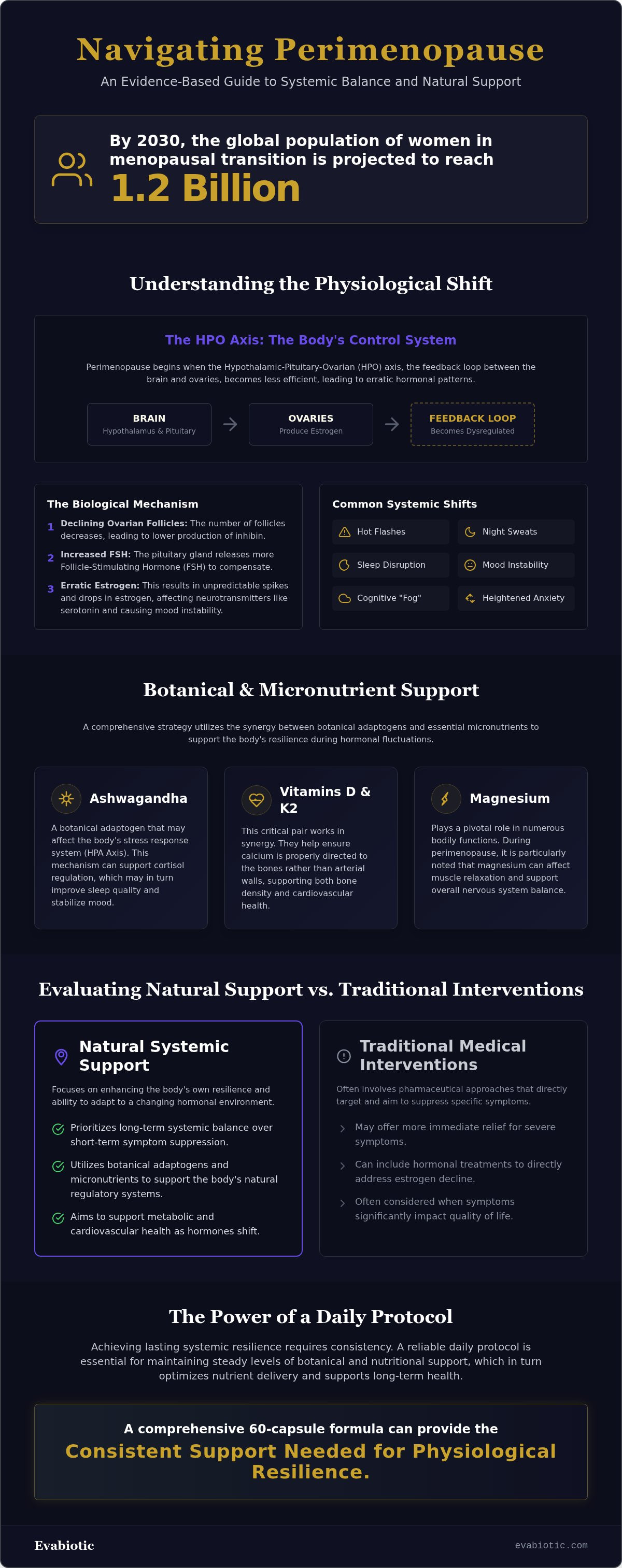
By 2030, the global population of women navigating menopausal transitions is projected to reach 1.2 billion. This demographic shift has intensified the search for perimenopause natural treatment, yet many women remain frustrated by "miracle" wellness claims that lack clinical integrity. It's difficult to manage unpredictable mood swings and night sweats while filtering through hyperbolic marketing. You're likely seeking a grounded, evidence-based approach that prioritizes systemic balance and long-term resilience over trendy, quick-fix solutions.
This guide provides a precise overview of how targeted nutritional interventions and botanical support may help manage the complex physiological shifts of this transition. We'll explore the underlying mechanisms of specific botanical agents and explain how a disciplined, daily protocol can support your body's natural regulatory systems. By moving from broad concepts to specific applications, we'll provide the clarity necessary for you to make rational, informed decisions for your health. You'll discover how a methodical approach to supplementation can foster a sense of quiet confidence during this significant life stage.
Key Takeaways
- Understand the HPO axis mechanics to see why systemic support's necessary for managing complex hormonal shifts.
- Examine how specific botanical agents like Ashwagandha may assist the adrenal system in maintaining balance during physiological stress.
- Gain a clear framework for selecting a perimenopause natural treatment by comparing non-hormonal support with traditional medical interventions.
- Establish a reliable daily schedule that optimizes nutrient delivery to support long-term cardiovascular and skeletal health.
- Learn how the Evabiotic Menopause Relief Multivitamin utilizes a 60-capsule formula to provide the consistent support needed for physiological resilience.
Understanding the Perimenopausal Transition and Physiological Shifts
Perimenopause is defined as the symptomatic phase characterized by significant fluctuations in estrogen and progesterone. It's a dynamic period that typically precedes menopause by several years. For many women, the first signs emerge in their late 30s. These changes are driven by the hypothalamic-pituitary-ovarian (HPO) axis. This complex feedback loop coordinates the communication between the brain and the ovaries. As the transition begins, the HPO axis becomes less efficient, leading to the erratic hormonal patterns that define this stage. Understanding the Perimenopausal Transition requires looking past isolated symptoms to the systemic shifts occurring within the body.
Common vasomotor symptoms, such as night sweats and hot flashes, are often accompanied by neurological shifts. These may include heightened anxiety, sleep disruption, and cognitive "fog." This transition shouldn't be viewed merely as a series of symptoms to be suppressed. Instead, it's a period requiring comprehensive systemic physiological support. By addressing the underlying biological shifts, women can foster greater resilience during this phase of life.
The Biological Mechanism of Hormonal Fluctuation
The core of the perimenopausal shift lies in the declining count of ovarian follicles. As follicle numbers decrease, the ovaries produce less inhibin, which normally keeps Follicle-Stimulating Hormone (FSH) in check. Consequently, the pituitary gland releases higher amounts of FSH to stimulate the remaining follicles. This leads to erratic estrogen spikes and drops. These hormonal swings can affect neurotransmitter pathways, particularly serotonin. This mechanism explains why mood instability is frequently linked to the physiological changes of perimenopause. Elevated FSH levels remain one of the most reliable markers of this transition.
Why Natural Support May Be Preferred During This Phase
Many women seek a perimenopause natural treatment during the early symptomatic stages to avoid immediate pharmaceutical intervention. The focus is on enhancing nutritional resilience, which can affect the body's ability to adapt to a lower estrogen environment. Maintaining systemic balance through high-quality supplementation can support metabolic and cardiovascular health as hormones shift. Botanical adaptogens may play a significant role here. These substances can support the adrenal response to stress, potentially mitigating the impact of hormonal volatility. Utilizing a clinical-grade menopause relief multivitamin as a perimenopause natural treatment provides a structured way to maintain consistency. This approach prioritizes long-term health through precise, evidence-based support.
Botanical Interventions and Micronutrients for Systemic Balance
Achieving physiological resilience requires more than just masking individual complaints. A comprehensive perimenopause natural treatment strategy utilizes the synergy between botanical adaptogens and essential micronutrients. This approach targets the systemic oxidative stress that can occur as hormonal levels fluctuate. By addressing the body as an integrated system, these interventions can support cellular health and cardiovascular function during the transition. Precise nutrient delivery helps the body adapt to the shifting endocrine landscape without relying solely on symptom suppression.
The Role of Adaptogens in Stress and Sleep Management
In addition to nutritional support, maintaining overall intimate wellness is a key component of this systemic approach; you can discover FemiEko for educational resources on women's physiological health and sustainable care solutions.
Botanical adaptogens, specifically Ashwagandha, are central to this systemic model. These plants may affect the hypothalamic-pituitary-adrenal (HPA) axis, which coordinates the body's response to stress. During perimenopause, erratic estrogen levels often place additional strain on this system. Clinical observations suggest that Ashwagandha can support cortisol regulation. This mechanism in turn may improve sleep quality and stabilize mood during hormonal troughs. Consistency is vital. Achieving lasting systemic resilience requires a reliable daily protocol; botanical support is most effective when maintained at steady levels in the bloodstream.
Essential Vitamins for the Menopausal Transition
Micronutrients provide the structural and chemical foundation for hormonal health. Vitamin D and Vitamin K2 are critical; they work together to ensure calcium is directed to the bones rather than the arterial walls. This synergy supports both bone density and cardiovascular health. Magnesium also plays a pivotal role. It can affect muscle relaxation and the regulation of sleep cycles, addressing two common perimenopausal frustrations. When Evaluating Natural Support vs. Traditional Medical Interventions, many women find that a comprehensive nutrient profile is more manageable than tracking dozens of isolated supplements.
Neurological fortitude and focus are further supported by B-vitamins, including B6 and B12. These nutrients are essential for the production of neurotransmitters like serotonin, which can affect emotional stability. Simultaneously, antioxidants address the oxidative stress linked to hormonal shifts. Utilizing a targeted 60-capsule systemic balance formula ensures these nutrients are delivered in precise, clinical-grade ratios for optimal absorption. This integrated method provides the foundational support necessary for maintaining physiological resilience throughout the transition.
Evaluating Natural Support vs. Traditional Medical Interventions
Deciding on a perimenopause natural treatment involves understanding the fundamental difference between hormone replacement and systemic support. Traditional medical interventions, such as Hormone Replacement Therapy (HRT), focus on the targeted replacement of declining estrogen and progesterone. While the FDA recently re-evaluated the risks of certain hormone therapies in early 2026, many women still prioritize non-hormonal strategies to manage their Physiological Shifts in Perimenopause. A systemic approach doesn't seek to replace hormones but rather optimizes the body's existing regulatory pathways. This method prioritizes professional-grade capsules over generic options to ensure clinical-grade quality control and precise nutrient delivery.
When to Consider a Non-Hormonal Path
Certain clinical profiles make a non-hormonal path a necessity rather than a preference. Individuals with a history of estrogen-dependent cancers, blood clots, or liver disease often face contraindications for traditional HRT. For these women, botanical support provides a viable alternative that can support physiological resilience. Others in the early stages of the transition may adopt a "wait and see" approach. They prefer to see how their bodies respond to high-quality micronutrients before committing to pharmaceutical options. This suggestive form of health management can complement lifestyle adjustments, such as anti-inflammatory nutrition and consistent exercise, to help the body adapt to lower estrogen levels naturally.
The Case for Systemic Multivitamin Formulations
Isolated herbal supplements often lack the necessary cofactors required for optimal absorption and cellular utilization. For instance, certain botanical agents may affect hormonal pathways more efficiently when paired with specific B-vitamins or minerals. A comprehensive multivitamin formulation ensures these synergies are present in every dose. Maintaining steady blood levels of these nutrients is essential for long-term systemic balance. A 60-capsule monthly supply, such as the one found in Menopause Relief Multivitamins, provides the daily consistency needed to sustain these levels. This disciplined approach to perimenopause natural treatment helps bridge the gap between laboratory research and daily wellness. For a deeper dive into the science of these formulations, consult our Menopause Relief Multivitamins: A Clinical Guide to Systemic Hormonal Support. By choosing a structured protocol, you're making a rational, informed decision for your long-term health resilience.
Daily Protocols for Building Physiological Resilience
A structured daily protocol transforms abstract health goals into a tangible perimenopause natural treatment. Consistency's the primary driver of systemic balance. Without a methodical approach to nutrient timing and lifestyle habits, the body's ability to adapt to hormonal fluctuations remains limited. Establishing a predictable rhythm helps stabilize the internal environment, providing a foundation for long-term health. This discipline ensures that botanical agents and micronutrients remain at steady levels within the bloodstream.
Nutritional Strategies for Metabolic Resilience
Metabolic shifts during the transition often lead to increased insulin resistance and visceral fat accumulation. Prioritizing high-quality protein and fiber can affect satiety and muscle maintenance, which are crucial as estrogen levels decline. Stable blood sugar levels are particularly important; rapid glucose fluctuations can affect the frequency and intensity of hot flashes. For a detailed examination of these changes, see our report on Hormonal Weight Gain During Menopause: A Clinical Analysis of Metabolic Shifts. Incorporating anti-inflammatory foods like fatty fish and leafy greens can further assist in managing systemic bloating and digestive sensitivity.
Cognitive exercises, such as focused reading or memory tasks, paired with targeted B-vitamins, may address the brain fog many women experience. These vitamins are essential cofactors for neurological function. When integrated into a daily routine, they support the neurological fortitude discussed in previous sections. Long-term adherence to this nutritional framework's necessary to see the full benefits of physiological optimization.
Sleep Hygiene and Nighttime Vasomotor Support
Disrupted sleep's often a consequence of night sweats and nocturnal anxiety. Managing these vasomotor symptoms requires a dual approach: environmental control and nutritional support. Maintaining a cool bedroom environment can mitigate the impact of sudden temperature spikes. Timing your supplement intake's equally critical. Consuming magnesium and specific botanical extracts in the evening may support relaxation and the natural onset of sleep cycles.
Achieving this level of consistency is simplified through a structured delivery system. Utilizing a subscription for menopause relief multivitamins ensures you never miss a day of systemic support. This reliable supply chain reinforces the daily protocol, making it easier to maintain the steady nutrient levels required for resilience. By committing to a daily schedule, you move from reactive symptom management to proactive health optimization.
Optimizing Long-Term Health with Evabiotic Menopause Support
Evabiotic provides a high-quality Menopause Relief Multivitamin designed specifically for systemic balance. This clinical-grade solution serves as a cornerstone for those seeking a structured perimenopause natural treatment. The design philosophy centers on a 60-capsule formula. This quantity ensures a precise daily dosage that can affect the body's physiological resilience over time. By focusing on systemic support, the formulation addresses the body as an integrated unit rather than chasing isolated symptoms. This steady approach builds trust with an audience that values scientific substance over marketing flair.
The Evabiotic Difference: Precision and Quality
The decision to utilize a capsule format is deliberate. Capsules offer superior bioavailability and purity compared to gummies or liquid formats, which often contain unnecessary sugars or stabilizers. We focus on a single, high-quality multivitamin to ensure every essential micronutrient and botanical agent is delivered in optimal ratios. This prevents the confusion and potential imbalances caused by self-prescribing multiple isolated supplements. You can explore the full ingredient profile on our Menopause Relief Multivitamins product page. This transparency allows you to make an informed, rational decision for your long-term health.
Commitment to Long-Term Wellness
Consistency is the most critical factor in achieving physiological optimization. Our subscription model is designed to eliminate gaps in nutritional support, ensuring your body has a reliable supply of cofactors throughout the entire menopausal transition. We maintain rigorous standards; all products are made-in-USA and subject to thorough testing for quality and potency. This meticulousness reflects our role as a trusted specialist in the field. For more information on maintaining systemic balance, read our guide on Menopause Health Optimization: A Clinical Guide to Systemic Resilience.
By choosing a disciplined protocol, you're investing in your future well-being. A perimenopause natural treatment is most effective when it is part of a steady, educational journey. We provide the bridge between laboratory research and your daily life, ensuring you have the tools necessary for a smooth transition. Every detail of our formulation has been considered to support your body's natural regulatory systems during this significant life stage.
Establishing Systemic Resilience for the Future
Navigating the biological shifts of the late 30s and beyond requires a disciplined approach to health. We've explored how understanding the HPO axis and the role of adaptogens can provide a foundation for managing hormonal volatility. A successful perimenopause natural treatment isn't about the immediate suppression of symptoms; it's about optimizing the body's natural regulatory systems through steady, clinical-grade support. By prioritizing systemic balance over quick fixes, you can foster long-term physiological resilience and maintain neurological fortitude during this transition.
Maintaining consistent nutrient levels is essential for helping the body adapt to lower estrogen environments. Our clinical-grade 60-capsule formulation provides the precise ratios needed to support your daily wellness goals. Utilizing a subscription model ensures there are no gaps in your daily protocol, allowing for the uninterrupted support your body requires. You're making a rational decision for your long-term health by choosing a solution rooted in scientific integrity and transparency. Secure Your Monthly Supply of Menopause Relief Multivitamins today. This methodical approach empowers you to face the coming years with quiet confidence and renewed vitality.
Frequently Asked Questions
Is it possible to treat perimenopause symptoms naturally without HRT?
Women often manage the transition through systemic support rather than hormone replacement. This approach focuses on providing the body with specific botanical agents and micronutrients that can support the hypothalamic-pituitary-ovarian axis. While HRT targets specific hormone replacement, a natural approach may affect overall physiological resilience. It's a viable option for those with contraindications to hormones or those preferring a suggestive method of health management during early symptomatic stages.
What are the most effective vitamins for perimenopause brain fog?
B-vitamins, specifically B6 and B12, are essential cofactors for neurotransmitter synthesis and neurological function. These nutrients can support cognitive clarity and focus by assisting in the production of serotonin and dopamine. Additionally, antioxidants like Vitamin C and E may address the systemic oxidative stress that often accompanies hormonal shifts. Integrating these into a daily protocol provides the structural foundation necessary for maintaining neurological fortitude as estrogen levels fluctuate during the transition.
How long does it take for natural perimenopause supplements to show effects?
The timeline for a perimenopause natural treatment to show observable shifts typically ranges from four to twelve weeks of consistent use. This duration allows the body to achieve systemic balance and for nutrient levels to stabilize within the bloodstream. Factors such as individual metabolic rates and the severity of physiological shifts can affect this window. Long-term consistency is the primary driver of success; that's why a reliable monthly supply is recommended.
Can Ashwagandha help with perimenopause mood swings and anxiety?
Ashwagandha is a botanical adaptogen that may affect the body's response to stress by supporting cortisol regulation. By modulating the hypothalamic-pituitary-adrenal axis, it can support emotional stability during periods of hormonal volatility. This mechanism can also support better sleep quality, which is often disrupted by nocturnal anxiety. Consistent daily intake is necessary to maintain the steady levels required for achieving systemic resilience and stabilizing mood during the various troughs of the perimenopausal transition.
Are there any side effects to natural perimenopause treatments?
Clinical-grade botanical and micronutrient supplements are generally well-tolerated when taken at recommended dosages. However, individual sensitivities can affect how the body responds to specific ingredients. Some women may experience mild digestive shifts as their systems adjust to new nutrient protocols. It's always a rational decision to consult with a healthcare professional before beginning any new regimen. This ensures the chosen support aligns with your specific health history and current physiological needs during the transition.
What is the best daily multivitamin for women in perimenopause?
The most effective option is a clinical-grade, 60-capsule formula designed for systemic balance rather than isolated symptom relief. Evabiotic provides a targeted Menopause Relief Multivitamin that incorporates essential vitamins, minerals, and botanical adaptogens in precise ratios. This comprehensive approach ensures that all necessary cofactors are present for optimal absorption. Choosing a professional-grade capsule over generic retail options ensures higher standards of purity and potency, which are critical for long-term physiological optimization.
Can natural remedies help with perimenopause weight gain?
Natural interventions can support metabolic resilience by addressing insulin sensitivity and blood sugar stability. Nutrients like fiber and high-quality protein, when paired with specific micronutrients, may affect how the body manages energy and fat storage during hormonal shifts. To find high-purity options for these nutritional needs, you can discover My Whey and their range of lab-tested products. While these remedies don't replace the need for anti-inflammatory nutrition and exercise, they can support the body's underlying metabolic pathways. This integrated strategy provides a more grounded approach to managing the weight fluctuations often associated with declining estrogen.
Capsules are the preferred format for clinical-grade supplementation due to their superior bioavailability and purity. Unlike gummy vitamins, capsules don't require added sugars, gelatin, or artificial stabilizers that can interfere with nutrient absorption. This format allows for a higher concentration of active ingredients and ensures that the delicate botanical extracts remain stable. Evabiotic exclusively utilizes a 60-capsule delivery system to maintain the highest manufacturing standards and to provide a precise, reliable daily dose for systemic support.
Disclaimer
*These statements have not been evaluated by the Food and Drug Administration. This product is not intended to diagnose, treat, cure or prevent any disease. The views and nutritional advice expressed by AlphaHealth+ Nutrition are not intended for the purpose of providing medical advice. Please always consult your health care provider if you are taking any medications or have any medical conditions. Individual results may vary.