

Supplements for Menopause Bloating: Clinical Guide
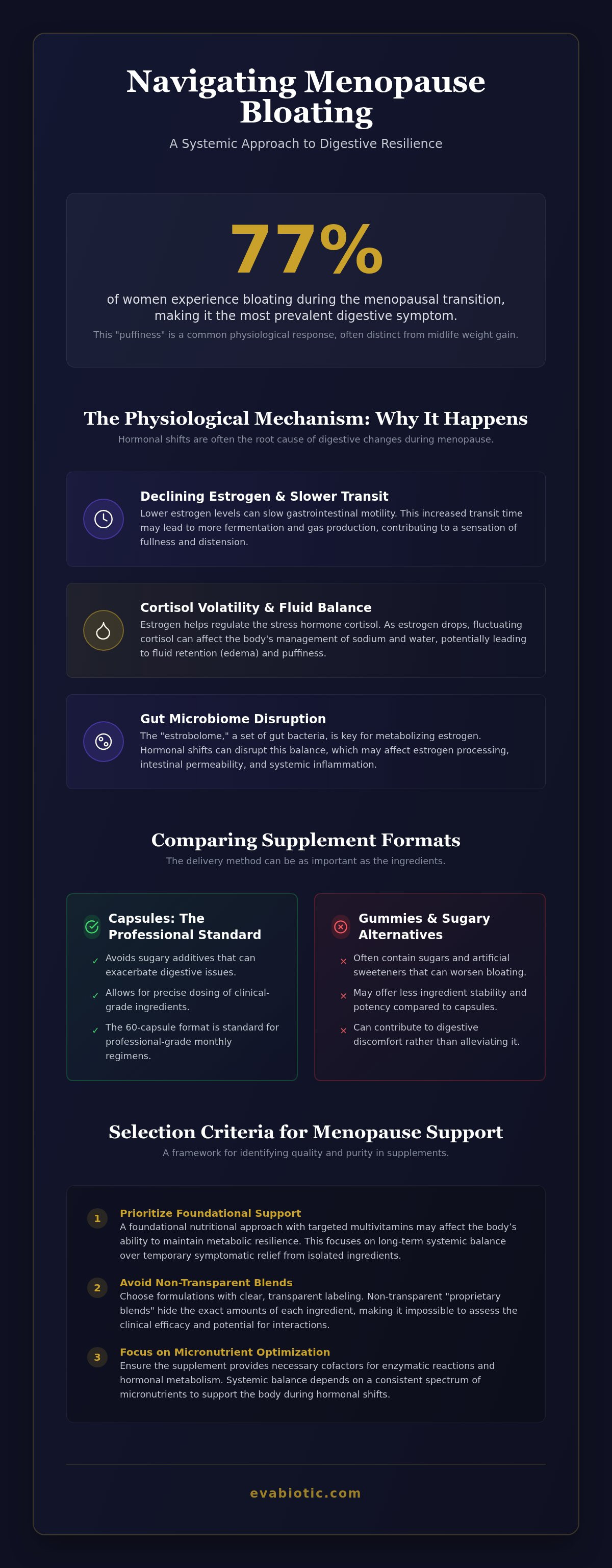
A 2025 study presented at The Menopause Society’s annual meeting revealed that 77% of women experienced bloating, making it the most prevalent digestive symptom during the menopausal transition. This persistent abdominal tightness often creates a sense of "puffiness" that is easily confused with midlife weight gain. If you’ve found that traditional probiotics haven't provided the expected relief, you may be considering supplements for menopause bloating to restore systemic physiological balance. It's often difficult to distinguish between temporary digestive shifts and permanent metabolic changes without a clinical perspective.
This guide explores how targeted nutritional support may affect the underlying mechanisms of these digestive shifts. You'll discover why professional-grade capsules are essential for maintaining resilience and how specific ingredients can affect your long-term comfort. We'll examine the scientific rationale behind clinical-grade formulations and provide a framework for selecting a sustainable solution for your daily regimen. By moving beyond temporary fixes, you can focus on achieving a state of optimized systemic health through a thoughtful and systematic approach.
Key Takeaways
- Understand how declining estrogen levels can affect gastrointestinal transit time and contribute to fluid retention during the menopausal transition.
- Discover why selecting specific supplements for menopause bloating requires a focus on micronutrient optimization to support systemic physiological balance.
- Learn why the 60-capsule format is the professional standard, avoiding the sugary additives found in gummies that can exacerbate digestive discomfort.
- Identify the clinical criteria for evaluating supplement purity, including why avoiding non-transparent proprietary blends is essential for long-term health.
- Explore how a foundational nutritional approach may affect the body’s ability to maintain metabolic resilience and adapt to hormonal shifts.
The Physiological Mechanism: How Hormonal Shifts May Affect Menopause Bloating
Menopause represents a complex recalibration of the endocrine system. While hot flashes are frequently discussed, a comprehensive overview of menopause clarifies that the gastrointestinal system is equally susceptible to these fluctuations. Bloating is not merely a localized digestive error; it is a systemic physiological response to the decline of ovarian hormones. Estrogen and progesterone serve as signaling molecules that influence smooth muscle tissue throughout the body, including the walls of the digestive tract. When these levels fluctuate, the body’s internal regulatory environment shifts, often leading to persistent abdominal tightness. Many women seek supplements for menopause bloating to address these shifts at a foundational level rather than relying on temporary fixes.
Estrogen and Digestive Transit Speed
Estrogen acts as a natural regulator of gastrointestinal motility. As levels decline, the transit time of food through the small and large intestines can increase. This slower pace allows for prolonged interaction between gut bacteria and undigested carbohydrates, which may result in increased fermentation. The byproduct of this process is gas production, leading to the sensation of "puffiness" or distension. Digestive resilience in the context of hormonal transitions is the body's ability to maintain efficient nutrient processing and waste elimination despite fluctuating endocrine signals. To support this resilience, you can visit Healthy Gut for science-backed supplements designed to optimize digestive function.
The Role of Cortisol and Fluid Balance
The relationship between estrogen and cortisol is a critical factor in systemic balance. Estrogen typically helps regulate cortisol, the body’s primary stress hormone. As estrogen drops, cortisol levels may become more volatile, which can affect the body’s ability to manage sodium and water retention. This phenomenon, often referred to as edema, creates a physical sensation of tightness that is distinct from fat accumulation. Understanding the difference between this fluid-driven puffiness and hormonal weight gain during menopause is essential for choosing the right support strategy. When the body retains excess water due to hormonal stress, it can affect the severity of bloating throughout the day, often peaking in the evening.
Research indicates that the transition into perimenopause can affect gut microbiome diversity. A specific group of bacteria known as the estrobolome is responsible for metabolizing and recirculating estrogen. When this microbial balance is disrupted, it can lead to inefficient estrogen processing and increased intestinal permeability. This shift in the internal ecosystem can affect gas production and systemic inflammation, further contributing to the feeling of persistent bloating. Selecting targeted supplements for menopause bloating involves understanding these underlying hormonal triggers and addressing the body's need for systemic stability.
Nutritional Multivitamins and Digestive Resilience: A Foundational Approach
Achieving systemic stability during the menopausal transition requires moving beyond reactive, short-term fixes. Digestive resilience refers to the body’s baseline capacity to process nutrients and manage waste efficiently despite significant endocrine shifts. While many individuals seek supplements for menopause bloating to address acute discomfort, a foundational nutritional approach focuses on long-term physiological optimization. By providing the body with a consistent spectrum of micronutrients, you may affect the underlying metabolic pathways that often become sluggish during this life stage. This method prioritizes the integrity of the digestive environment over temporary symptomatic relief.
Many commercial solutions offer isolated ingredients like ginger or peppermint. These can provide brief comfort, but they do not address the systemic imbalances identified in clinical discussions of Menopause symptoms and relief. A targeted multivitamin approach ensures that the body has the necessary cofactors for enzymatic reactions and hormonal metabolism. This synergy can affect how the body responds to the "puffiness" caused by fluid retention and slow gastrointestinal transit. Daily nutritional support serves as a disciplined strategy for maintaining metabolic equilibrium.
Micronutrients for Gut-Brain Axis Support
The communication between the central nervous system and the enteric nervous system is highly sensitive to nutrient availability. Specific vitamins may affect the signaling integrity of this gut-brain axis, which is often disrupted by fluctuating estrogen levels. Magnesium is particularly vital in this context. By facilitating the relaxation of smooth muscle tissues within the gastrointestinal tract, magnesium can affect the regularity of bowel movements and reduce the accumulation of gas associated with constipation. For a more detailed analysis of these mechanisms, you can explore our guide on vitamins for menopause bloating.
Botanical Support for Digestive Comfort
Integrating natural adaptogens into a daily regimen can affect the body’s stress-bloating cycle. Ashwagandha, for example, may support the body's ability to manage cortisol levels, which we previously identified as a key driver of fluid retention. This type of gentle nutritional support stands in stark contrast to aggressive laxatives. While laxatives force a physical response that can lead to dependency and further irritation, botanical extracts in a controlled multivitamin format work to restore systemic balance. The goal is to support the body’s natural rhythms rather than overriding them with harsh stimulants.
Consistency is the most critical factor in achieving these outcomes. A subscription to a professional-grade menopause multivitamin can ensure your body receives uninterrupted nutritional support for lasting digestive resilience.
Comparing Supplement Formats: Why Capsules Are the Professional Standard
Selecting a delivery system is as critical as the ingredient profile itself when evaluating supplements for menopause bloating. While the wellness market is saturated with various delivery methods, the 60-capsule format remains the professional standard for clinical-grade support. This preference is not arbitrary; it is rooted in the need for ingredient stability, precise dosing, and the avoidance of metabolic irritants. Capsules provide a controlled environment that protects delicate micronutrients from the external environment, ensuring that the physiological support remains consistent throughout the duration of the supply.
The Hidden Impact of Gummy Additives
Many consumer-facing brands utilize gummy formats to prioritize palatability, yet this choice often compromises digestive integrity. Gummies frequently contain glucose syrups, sucrose, or sugar alcohols such as sorbitol and maltitol. These sweeteners can affect gut fermentation and gas production, particularly in individuals with a sensitive gastrointestinal tract. For women navigating the hormonal shifts of menopause, these additives can exacerbate abdominal tightness and "puffiness." Professional formulations avoid the binders and fillers common in chewable formats to prevent unnecessary digestive distress. Clinical researchers favor capsule delivery because it allows for a high concentration of active ingredients without the need for sugary carriers that can affect systemic balance.
Bioavailability and Ingredient Integrity
The structural integrity of a capsule format shields sensitive botanicals and vitamins from oxidation and light exposure. This protection ensures that the natural, non-stimulant profile of the supplement remains potent until the point of absorption. By bypassing the initial breakdown in the oral cavity, capsules can affect the body's ability to utilize nutrients effectively in the lower digestive tract. A 60-capsule format provides the necessary volume for a consistent daily regimen, which is a fundamental requirement for achieving long-term metabolic resilience. Utilizing professional-grade capsules manufactured under Made in USA standards ensures a level of purity and rigorous testing that is often absent in mass-market alternatives.
Precise dosing is another hallmark of the capsule standard. Each unit contains an exact measurement of micronutrients, which can affect the reliability of the body's physiological response over time. This consistency is vital for maintaining systemic balance and avoiding the fluctuating results often seen with less stable delivery systems. For those committed to a systematic approach to health, a subscription to a professional-grade multivitamin ensures that this foundational support is never interrupted. By choosing capsules over confectionery formats, you prioritize scientific integrity and long-term digestive vitality.
Selection Criteria for Menopause Support: Identifying Quality and Purity
Evaluating quality requires a clinical framework that prioritizes transparency over marketing claims. When selecting supplements for menopause bloating, the ingredient list must be scrutinized for both active potency and inactive additives. A primary concern in the wellness industry is the use of "proprietary blends." These labels group multiple ingredients under a single milligram total, obscuring the exact dosage of each component. Without clear dosing, it's impossible to determine if an ingredient is present in a quantity that can affect systemic balance. Prioritizing products with fully disclosed labels ensures you're making an informed decision for your long-term physiological resilience.
Third-party testing serves as an essential safeguard for purity and potency. Independent laboratories verify that the product contains exactly what is listed on the label and remains free from heavy metals or microbial contaminants. This level of oversight is vital for maintaining the high standards required for clinical-grade support. By focusing on these rigorous metrics, you move away from trendy "miracle" claims and toward a solution grounded in scientific integrity. It's a disciplined approach that values substance over style.
Reading the Label for Digestive Irritants
Many mass-market formulations include fillers or flow agents that can affect sensitive digestive systems during the menopausal transition. Ingredients such as artificial colors, synthetic binders, or certain industrial flow agents may contribute to the very gastrointestinal discomfort you're seeking to address. Choosing natural, non-GMO sourcing is a deliberate step toward reducing the body's internal stress and supporting metabolic health. Professional-grade multivitamins provide a clean delivery system that respects the body's internal environment while delivering targeted support.
Sustainability and Subscription for Long-Term Support
Nutritional optimization is a methodical process rather than a quick fix. Consistent daily intake is required to observe how specific supplements for menopause bloating may affect your body's regulatory mechanisms over time. The transition toward systemic stability often occurs over several weeks as the body adjusts to a new micronutrient baseline. Utilizing a subscription model can affect your long-term adherence by ensuring you never experience a gap in your daily regimen. For a deeper understanding of how these nutrients work together, refer to our menopause relief multivitamins guide.
Maintaining this disciplined approach is the most effective way to support your body through hormonal shifts. You can start your journey toward systemic balance by securing your supply of professional-grade menopause relief multivitamins today.
Optimizing Digestive Vitality with Evabiotic Menopause Relief Multivitamins
Evabiotic Menopause Relief Multivitamins are designed to serve as the foundational tool for a comprehensive Menopause Health Optimization strategy. While many commercial products focus on isolated, one-off symptom relief, this 60-capsule formulation prioritizes systemic physiological balance. By addressing the body’s specific nutritional requirements during the transition away from high estrogen levels, these supplements for menopause bloating may affect the body’s ability to adapt to endocrine shifts. This approach moves the focus from reactive "treatment" to proactive "support," providing the biological building blocks necessary for metabolic and digestive resilience. It’s a disciplined method for women who value scientific integrity over marketing hype.
Adapting to the physiological changes of menopause requires a systematic approach rather than a search for a quick fix. Targeted nutritional support can affect the underlying mechanisms of fluid retention and gastrointestinal transit speed, which we’ve identified as primary drivers of abdominal discomfort. By maintaining a consistent intake of professional-grade micronutrients, you’re supporting the body’s internal regulatory environment. This helps create a state of optimized systemic health, allowing you to focus on your long-term wellness goals with quiet confidence.
The Evabiotic Clinical Advantage
The Evabiotic formula is a natural, non-stimulant profile delivered in a clinical-grade capsule format. This delivery system is essential for maintaining the stability of delicate botanicals and vitamins, ensuring they remain potent until absorbed. Unlike inferior formats, this capsule-based approach avoids the metabolic disruptors and sugars that can affect gut fermentation. Each batch is produced under Made in USA standards, reflecting a commitment to meticulous quality and rigorous testing. Utilizing a subscription model is a strategic choice for many users, as it facilitates the uninterrupted nutrient intake needed to maintain systemic balance. Consistent support is the most effective way to observe how a daily regimen can affect your overall sense of vitality.
Integrating Supplements into Your Routine
Establishing a methodical routine is vital for achieving the best results with professional-grade nutrition. Taking your multivitamin with a meal, ideally at the same time each morning, can affect the absorption of specific nutrients and support your body’s natural digestive rhythms. This daily habit should exist within a broader framework of healthy lifestyle choices. Adequate hydration, consistent physical movement, and mindful nutrition all work in tandem with your supplement regimen to support healthy gastrointestinal transit. This holistic perspective ensures that you’re supporting your entire system rather than just addressing a single concern. You can start your journey toward digestive resilience with Evabiotic and provide your body with the foundational support it needs for this significant life transition.
Advancing Toward Systemic Digestive Stability
Navigating the hormonal shifts of the menopausal transition requires a move away from temporary fixes toward a disciplined, clinical approach. We've explored how declining estrogen levels can affect gastrointestinal transit speed and fluid regulation, creating a persistent sense of abdominal tightness. Selecting professional-grade supplements for menopause bloating involves prioritizing ingredient purity and stable delivery systems. By avoiding sugary gummy formats and choosing a clinical-grade 60-capsule formula, you ensure your body receives precise micronutrients without unnecessary digestive irritants. Systemic physiological balance is achieved through consistency and a commitment to high manufacturing standards.
Daily nutritional support can affect your body's ability to maintain metabolic resilience during this significant life stage. This natural, non-stimulant digestive support provides a foundation for long-term comfort and optimized health. It's time to transition from reacting to symptoms to supporting your body's internal systems with a methodical strategy. You can optimize your digestive resilience with Evabiotic Menopause Relief Multivitamins today. Empower your future health with a solution designed for the modern woman's complex physiological needs.
Frequently Asked Questions
Do supplements for menopause bloating actually work?
Targeted nutritional support can affect the underlying biological mechanisms that contribute to abdominal distension. Individual responses vary. Micronutrients such as magnesium and specific B-vitamins may affect the body’s ability to process sodium and manage fluid retention. Supplements for menopause bloating work best when they provide a foundational approach to metabolic health. They aren't a temporary solution. This systematic method supports long-term digestive resilience by addressing the physiological shifts associated with declining estrogen levels.
How long does it take for a multivitamin to affect menopause bloating?
Achieving systemic physiological balance is a methodical process that typically requires several weeks of consistent intake. Most individuals may start to observe how nutritional support can affect their digestive patterns after three to four weeks of daily use. This duration allows the body to stabilize micronutrient levels. It also helps the system adapt to the formula’s support for metabolic pathways. Maintaining a disciplined routine ensures you won't miss the uninterrupted supply necessary for long-term optimization.
Can magnesium help with a bloated belly during menopause?
Magnesium is a critical mineral that may affect gastrointestinal motility and smooth muscle relaxation within the digestive tract. By supporting healthy bowel movements, magnesium can affect the accumulation of gas often associated with slower transit times during menopause. It also plays a role in osmotic balance. This can affect the body’s tendency to retain excess water. Including magnesium in a professional-grade multivitamin helps maintain the systemic stability that's required for ongoing digestive comfort.
Why are capsules better than menopause gummies for bloating?
Capsules serve as the professional standard because they avoid the glucose syrups and sugar alcohols found in many gummy formats. These additives can affect gut fermentation. This can potentially exacerbate the very bloating you're trying to manage. Professional-grade capsules also provide a more stable environment for delicate botanicals and vitamins. This ensures precise dosing and higher bioavailability. Choosing a 60-capsule format prioritizes scientific integrity and digestive vitality over the confectionery appeal of inferior delivery systems.
Are there side effects to taking natural menopause relief capsules?
Natural, non-stimulant formulations are generally well-tolerated and designed for long-term systemic balance. However, introducing any new micronutrient regimen can affect the digestive system as it adjusts to the new nutritional baseline. Some individuals may experience mild, temporary shifts in digestion during the first few days of use. It's always advisable to review the full ingredient profile for personal sensitivities. Prioritize professional-grade products that exclude common fillers, artificial colors, and synthetic binders for the best results.
What is the best time of day to take supplements for menopause bloating?
Taking your multivitamin with a meal, ideally in the morning, can affect the absorption of fat-soluble vitamins and support daily metabolic functions. Consistency is the most important factor in a health optimization strategy. Establishing a fixed time each day helps maintain steady nutrient levels. This can affect the body's ability to regulate fluid balance and digestion. This structured approach reinforces the message that health isn't a short-term fix but a systematic investment requiring a thoughtful and steady commitment.
Can I take these supplements along with my other vitamins?
Professional-grade multivitamins are designed to provide a comprehensive spectrum of nutrients. It's important to evaluate your total daily intake to avoid excessive overlap. Combining different supplements for menopause bloating can affect your body's nutrient balance, especially with minerals like magnesium or zinc. Reviewing your current regimen ensures that you aren't exceeding recommended levels while seeking systemic stability. A single, well-formulated multivitamin often provides the foundational support needed without the complexity of multiple separate products.
How does estrogen decline cause abdominal bloating?
Estrogen decline can affect the smooth muscles of the gastrointestinal tract, leading to slower transit times and increased gas production through fermentation. Lower estrogen levels also impact the regulation of cortisol. This can affect how the body manages sodium and water retention. The combination of slower digestion and fluid buildup creates the puffiness many women experience. Addressing these shifts through targeted nutritional support may affect the body’s baseline capacity. It's an essential part of maintaining digestive resilience.
Disclaimer
*These statements have not been evaluated by the Food and Drug Administration. This product is not intended to diagnose, treat, cure or prevent any disease. The views and nutritional advice expressed by AlphaHealth+ Nutrition are not intended for the purpose of providing medical advice. Please always consult your health care provider if you are taking any medications or have any medical conditions. Individual results may vary.