

Supplements for Menopause Hair Loss and Thinning: A Clinical Perspective on Follicular Resilience
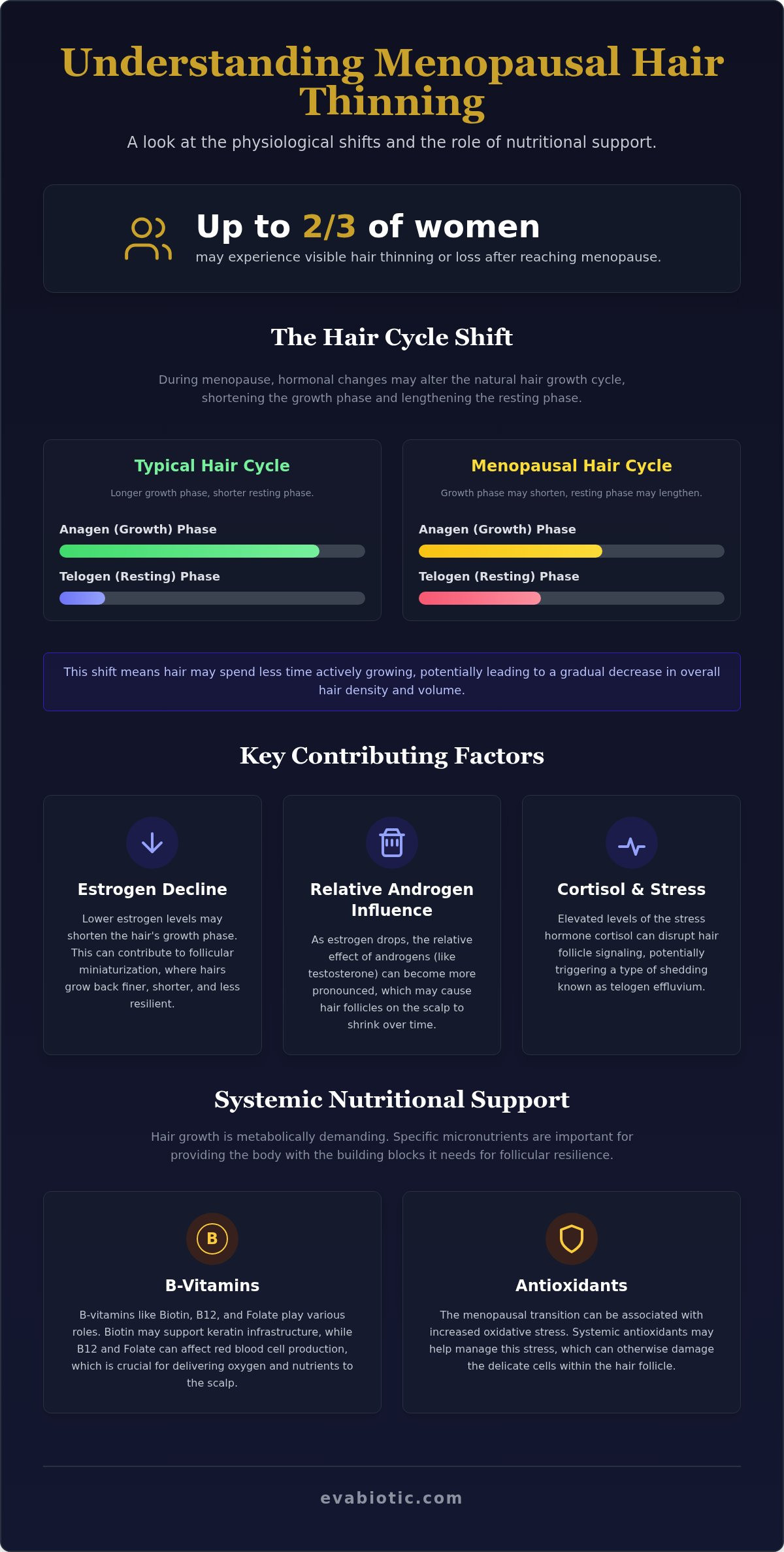
Did you know that up to two-thirds of women experience visible hair thinning or loss after reaching menopause? This physiological shift often feels like an abrupt transformation, leading many to search for reliable supplements for menopause hair loss and thinning. It's natural to feel a loss of self-confidence as your reflection changes, and the confusion caused by conflicting wellness advice only adds to the stress. You deserve a clear, evidence-based path forward that respects the complexity of your biology.
This article provides a clinical perspective on how hormonal fluctuations impact follicular resilience and systemic balance. You'll gain a grounded understanding of the underlying biological mechanisms that govern your hair growth cycles. We'll examine how specific nutritional interventions may support the scalp environment and help maintain hair density over time. By moving beyond surface-level beauty trends, we'll explore a methodical approach to health. You'll finish this guide with the clarity needed to establish a reliable daily routine designed for long-term physiological support and visible improvements in hair resilience.
Key Takeaways
- Understand how shifting estrogen levels may influence the transition between the hair growth and resting phases, potentially altering overall hair density.
- Identify how specific supplements for menopause hair loss and thinning can provide the micronutrients and antioxidants necessary to support follicular health.
- Examine the role of botanical adaptogens and their potential to modulate hormonal signaling paths for improved systemic balance during the menopausal transition.
- Learn the importance of a disciplined, long-term nutritional strategy to ensure consistent support for follicular resilience and hair longevity.
- Gain insight into how a professional 60-capsule multivitamin format can facilitate a systematic approach to maintaining optimal systemic nutrient levels.
The Physiology of Menopausal Hair Thinning and Follicular Shifts
Hair loss during the menopausal transition is rarely an isolated dermatological event. Instead, it represents a visible manifestation of a complex internal reorganization. The Physiology of Menopausal Hair Thinning involves a fundamental shift in the delicate balance of endocrine signaling that maintains follicular health. As estrogen levels decline, the hair follicle undergoes a structural change. This process, known as follicular miniaturization, results in the production of finer, shorter hairs that lack the resilience of previous growth cycles. It's a systemic physiological shift that requires a more disciplined approach than topical treatments alone can provide.
The human hair cycle consists of three primary phases: anagen (growth), catagen (transition), and telogen (resting). During menopause, the anagen phase often shortens while the telogen phase lengthens. This means hair spends less time actively growing and more time in a dormant state. When searching for supplements for menopause hair loss and thinning, it's essential to look for interventions that support the systemic environment. A significant factor in this process is relative androgen dominance. As estrogen levels drop, the remaining androgens in a woman's body can exert a stronger influence on the follicles. This shift can potentially shrink the hair follicles, leading to a noticeable decrease in volume across the scalp.
Hormonal Fluctuations and the Hair Cycle
Estrogen plays a vital role in extending the duration of the anagen phase. When this hormone recedes, the protective effect on the follicle diminishes. Progesterone fluctuations can also affect the production of sebum, the natural oils that maintain scalp health. Without this lipid barrier, hair strands can become increasingly brittle and prone to breakage. This systemic decline in hormonal support changes the physical properties of the hair, making it appear thinner and less vibrant. Targeted nutritional support may help manage these transitions by providing the body with the building blocks it needs for follicular resilience.
The Impact of Cortisol and Stress on Hair Density
Menopause is frequently accompanied by heightened physiological stress. Elevated cortisol levels can potentially disrupt the signaling molecules required for healthy hair growth. This disruption may trigger telogen effluvium, a condition where a large number of hairs are prematurely pushed into the resting phase. When combined with hormonal thinning, stress-induced shedding can significantly reduce overall hair density. Managing these stressors through consistent lifestyle habits and supplements for menopause hair loss and thinning can support a more balanced internal environment. This methodical approach is necessary for maintaining long-term hair health during this life stage.
Nutritional Mechanisms for Supporting Hair Vitality
While the hormonal shifts of menopause create the initial environment for thinning, the body's nutritional status determines how well the follicles can adapt. Hair growth is one of the most metabolically demanding processes in the human body. It requires a constant supply of micronutrients to serve as cofactors in the synthesis of keratin, the structural protein that gives hair its strength. Understanding these Nutritional Mechanisms for Supporting Hair Vitality is essential for anyone considering supplements for menopause hair loss and thinning. Rather than seeking a quick fix, a methodical focus on systemic balance provides the necessary foundation for follicular resilience.
B-Vitamins and Follicular Metabolism
B-vitamins function as essential regulators of metabolic activity within the hair bulb. Biotin, perhaps the most well-known of these, may support the infrastructure of keratin, potentially improving the structural integrity of the hair shaft. However, biotin alone is rarely sufficient. B12 and Folate are critical because they can affect the production of red blood cells. These cells are responsible for oxygenating the scalp and delivering nutrients to the follicle. Consistent intake of a broad spectrum of B-vitamins may support the resilience of new growth, ensuring that emerging strands are as healthy and robust as possible.
Antioxidants and Systemic Resilience
The transition through menopause often increases oxidative stress, which can damage the delicate cells within the hair follicle. Systemic antioxidant support is vital to neutralize free radicals before they disrupt the hair cycle. Vitamins C and E may help protect these cells, while Zinc plays a potential role in the tissue growth and repair mechanisms of the scalp. Additionally, Selenium can support healthy thyroid function, an often-overlooked factor that influences hair density. A comprehensive approach ensures that every metabolic pathway is considered. For those seeking a guided solution, the Evabiotic Menopause Relief Multivitamin provides a balanced blend of these essential cofactors.
A frequent error in managing hair health is the reliance on single-ingredient supplements. This "miracle cure" mentality ignores the synergistic nature of human biology. Micronutrients don't work in isolation; they function as a network. Zinc, for instance, requires specific vitamins to be absorbed efficiently, and B-vitamins work best when taken as a complex. Opting for a professional-grade multivitamin ensures that the body has access to a complete array of nutrients. This systemic strategy may support long-term follicular health more effectively than fragmented interventions, creating a stable environment for hair to thrive.
Evaluating Botanical Interventions for Menopause Hair Support
Beyond the foundational vitamins and minerals discussed previously, certain botanical compounds offer a sophisticated method for managing the systemic shifts of menopause. Botanical adaptogens are particularly noteworthy for their potential to support hormonal balance by modulating the body's physiological response to change. Unlike isolated chemical treatments, these plant-based extracts often contain a complex array of phytochemicals that may mimic or modulate hormonal signaling paths. This multifaceted approach is a key component of effective nutritional support for menopausal hair loss, as it addresses the root causes of follicular stress rather than just the symptoms.
The efficacy of these botanicals depends heavily on their delivery format. For supplements for menopause hair loss and thinning to be effective, ingredient stability is paramount. Clinical-grade capsules are preferred over gummy or liquid formats because they protect delicate botanical extracts from oxidation and degradation. This ensures that the precise dosage of bioactive compounds reaches the systemic circulation. Additionally, botanical synergy plays a vital role. When multiple plant extracts are combined within a professional-grade multivitamin, they may work more effectively than isolated extracts; this creates a broader spectrum of support for the hair follicle.
Ashwagandha and Cortisol Modulation
Ashwagandha is a primary adaptogen that may support the body’s ability to manage heightened physiological stress during the menopausal transition. Elevated cortisol levels can potentially disrupt the signaling molecules required for active hair growth, leading to premature shedding. By modulating the stress response, ashwagandha can potentially reduce the impact of cortisol on the hair cycle. This is just one aspect of the broader benefits of ashwagandha for women, as it seeks to restore a sense of internal equilibrium. Maintaining lower systemic stress levels may help keep a higher percentage of follicles in the active anagen phase.
Trace Minerals and Botanical Synergy
The interaction between botanical extracts and trace minerals is a critical factor in follicular health. Combining plants like black cohosh or chasteberry with minerals such as Zinc may optimize the absorption and utilization of these nutrients at the cellular level. Systemic balance isn't a static state; it's a dynamic process where the bioavailability of one nutrient depends on the presence of others. Professional-grade capsules allow for this precise delivery, ensuring that the botanical synergy is maintained until the point of absorption. This methodical integration of ingredients supports a more resilient environment for hair growth, providing a comprehensive alternative to fragmented beauty treatments. For those who prioritize a holistic approach to their self-care routine, you can check out Yahreah Skin.
Achieving noticeable changes in hair density is a marathon, not a sprint. Because hair growth cycles operate on a timeline of several months, any nutritional intervention requires patience and discipline. When utilizing supplements for menopause hair loss and thinning, the goal is to provide the follicles with a steady stream of cofactors that can support the transition from the resting phase back to active growth. Visible improvements in texture or volume typically emerge after three to six months of consistent use. This duration allows enough time for new, supported strands to reach the scalp surface and replace older, more brittle fibers.
A long-term strategy isn't just about what you add; it's about the environment you create. Integrating targeted supplementation with a nutrient-dense diet provides the body with the raw materials necessary for keratin production. Focus on adequate protein intake and healthy fats, as these serve as the structural building blocks for the hair shaft. This systemic approach ensures that the body isn't forced to deprioritize hair health in favor of more critical metabolic functions during the menopausal transition.
The Importance of Supplementation Consistency
Maintaining steady systemic nutrient levels is the cornerstone of follicular resilience. If nutrient availability fluctuates, the metabolic processes within the hair bulb can become erratic, potentially stalling the growth phase. A menopause multivitamin subscription can help ensure no gaps in support, providing the body with the predictable environment it needs to maintain follicular health. Consistency allows the micronutrients to accumulate within the system, creating a cumulative effect that single, sporadic doses cannot replicate.
Scalp Health and Environmental Protection
While internal support is fundamental, protecting the hair you already have is equally important. Reducing mechanical stress from high-heat styling tools or tight hairstyles can prevent unnecessary breakage of existing strands. Internal systemic health provides the structural foundation, but gentle, non-stripping topical care helps preserve the hair's natural lipid barrier. For those seeking high-quality topical treatments, Urban Care provides specialized solutions to support scalp health and visible hair density. This dual approach ensures that the resilience built from within isn't compromised by external environmental factors. By combining internal optimization with external protection, you create a comprehensive defense against age-related thinning.
Choosing the right supplements for menopause hair loss and thinning requires a fundamental shift in perspective. It's about moving away from trendy, short-term fixes toward a disciplined, systemic strategy. Evabiotic Menopause Relief Multivitamins represent this shift, offering a formulation designed for those who value scientific integrity over marketing hype. This clinical-grade solution provides a bridge between high-level laboratory research and your daily health routine, ensuring that every ingredient serves a clear physiological purpose. By focusing on systemic balance, this intervention can support the body's natural ability to maintain follicular resilience during the menopausal transition.
The brand's commitment to transparency is evident in its precise formulations. You won't find proprietary blends that hide exact dosages; instead, every component is listed with clarity. This honest approach creates an atmosphere where you can make an informed, rational decision for your long-term health. Proactive management of hormonal shifts is a long-term investment. By optimizing the internal environment, you're providing your follicles with the best possible conditions to thrive despite the challenges of declining estrogen levels.
The Science of the 60-Capsule Formula
The 60-capsule professional format is a deliberate choice that reflects a deep understanding of human biology. Each capsule is designed to provide a precise blend of vitamins and botanicals without the use of unnecessary fillers or synthetic dyes. This focus on physiological utility ensures that your system receives only what it needs for menopause health optimization. Because hair growth cycles respond slowly to nutritional changes, this two-month supply aligns perfectly with the biological timeline required to see the first signs of improved hair texture. It's a methodical approach that respects the pace of your body's natural processes.
Seamless Support Through Subscription
Consistency is the most critical factor in managing the long-term hormonal shifts associated with menopause. When nutrient levels fluctuate, the potential for follicular stress increases. A subscription model removes the friction of reordering, ensuring that you never face a gap in your daily support. This steady rhythm allows the micronutrients to maintain a constant presence in your system, which can support a more stable environment for emerging hair. We invite you to take control of your transition with a menopause relief multivitamin designed for those who demand high standards. By committing to a steady, intellectual approach to wellness, you can navigate menopause with quiet confidence and visible resilience.
Advancing Toward Follicular Resilience and Systemic Balance
Understanding the physiological mechanisms behind menopausal hair changes is the first step toward regaining control. We've explored how shifting hormonal ratios can shorten the growth phase and how targeted micronutrients may support the structural integrity of new strands. By prioritizing a disciplined approach over temporary fixes, you can maintain the systemic environment necessary for healthy follicles. Integrating high-quality supplements for menopause hair loss and thinning into your daily routine provides the cumulative support your body requires during this life stage.
Evabiotic Menopause Relief Multivitamins offer a clinical-grade 60-capsule supply formulated for systemic hormonal balance. Made in the USA with high-quality ingredients, this professional-grade formula avoids unnecessary fillers to focus on physiological utility. It's a methodical way to ensure your system has the building blocks it needs for long-term resilience. Optimize your hair resilience with Evabiotic Menopause Relief Multivitamins. You don't have to navigate these physiological shifts alone; a science-backed strategy can help you maintain confidence and vitality throughout your transition.
Frequently Asked Questions
Can supplements for menopause hair loss and thinning actually regrow hair?
Targeted nutritional interventions may support the health of active hair follicles by providing essential cofactors for keratin synthesis. While supplements for menopause hair loss and thinning cannot revive dormant follicles, they can support the density and resilience of existing growth. This systemic approach helps optimize the scalp environment. Consistent intake ensures that emerging strands have the biological building blocks needed for structural integrity during hormonal transitions.
How long does it take to see results from a menopause multivitamin?
Visible changes in hair texture and density typically require three to six months of consistent daily use. This timeline reflects the biological reality of the human hair cycle, as new strands must grow from the follicle to the scalp surface. A 60-capsule supply is designed to support this initial two-month phase of systemic adjustment. Long-term results depend on maintaining steady nutrient levels to support each subsequent growth phase.
Are these hair supplements safe to take with other medications?
Most high-quality multivitamins are formulated for general safety, but they can interact with specific prescriptions or underlying health conditions. It's essential to consult with a healthcare professional before beginning a new supplement regimen. They can evaluate how botanical ingredients like black cohosh or ashwagandha may affect your current medications. Providing your physician with a full ingredient list ensures that your approach to systemic health remains both safe and effective.
Does biotin alone work for menopausal hair thinning?
Biotin is an important cofactor for keratin infrastructure, but it rarely addresses the complex systemic shifts of menopause in isolation. Follicular health relies on a synergistic network of B-vitamins, trace minerals, and antioxidants. Relying on a single ingredient ignores the metabolic demands of the hair bulb. A comprehensive multivitamin approach ensures that all necessary pathways are supported, which may affect hair resilience more effectively than isolated biotin supplementation.
What is the most important vitamin for hair loss during menopause?
No single vitamin functions independently; however, the B-complex group and antioxidants like Vitamin C are vital for follicular metabolism. These nutrients support red blood cell production and protect cells from oxidative stress. Zinc also plays a potential role in hair tissue repair. Because menopause involves systemic changes, a balanced blend of these micronutrients is more effective for supporting hair density than focusing on any individual component.
Can ashwagandha help with hair thinning in perimenopause?
Ashwagandha is an adaptogen that may support the body's response to physiological stress during perimenopause and menopause. By potentially modulating cortisol levels, it can help reduce the likelihood of stress-induced shedding, known as telogen effluvium. This botanical intervention supports systemic balance, which is foundational for maintaining a healthy hair growth cycle. When combined with essential vitamins, it provides a multifaceted strategy for managing early signs of hair thinning.
Why should I choose capsules over gummies for hair support?
Clinical-grade capsules are superior to gummies because they protect delicate botanical extracts and vitamins from oxidation. Gummy formats often require high levels of sugar and artificial binders, which can compromise the purity of the formulation. Capsules ensure that you receive a precise, stable dosage of bioactive compounds without unnecessary caloric intake. This delivery method is a hallmark of a disciplined, professional-grade approach to long-term nutritional support and systemic optimization.
Is menopause hair loss permanent or can it be managed?
Menopausal hair thinning is often a manageable condition rather than a permanent loss of follicles. By addressing the underlying nutritional and hormonal shifts, you can support follicular resilience and potentially maintain hair density. Proactive management involves providing the body with the cofactors needed to prolong the growth phase. While individual results vary, a consistent strategy focused on systemic health can help preserve hair volume and texture over time.
Disclaimer
*These statements have not been evaluated by the Food and Drug Administration. This product is not intended to diagnose, treat, cure or prevent any disease. The views and nutritional advice expressed by AlphaHealth+ Nutrition are not intended for the purpose of providing medical advice. Please always consult your health care provider if you are taking any medications or have any medical conditions. Individual results may vary.