

Supplements to Balance Hormones for Weight Loss During Menopause: A Clinical Review
What if the sudden appearance of "menopause belly" isn't a sign of personal failure, but rather a sophisticated shift in your body's endocrine signaling? For many women, the transition into menopause brings a frustrating metabolic slowdown that seems resistant to traditional dieting. It's understandable why you might feel skeptical toward the latest "miracle" weight loss solutions after seeing little to no progress with standard methods. You know that your body is changing in ways that require more than just a caloric deficit; it requires a strategy that respects your evolving physiology.
In this clinical review, we examine how specific supplements to balance hormones for weight loss during menopause may affect your systemic resilience and metabolic health. You'll discover how targeted nutritional support can address the underlying hormonal shifts that often contribute to weight gain and persistent metabolic changes. We'll provide a rigorous look at high-quality daily protocols designed to stabilize your metabolism and reduce the impact of systemic menopause symptoms. This guide moves beyond marketing hype to explore the scientific mechanisms that can help you regain control over your long-term health through informed, rational decisions.
Key Takeaways
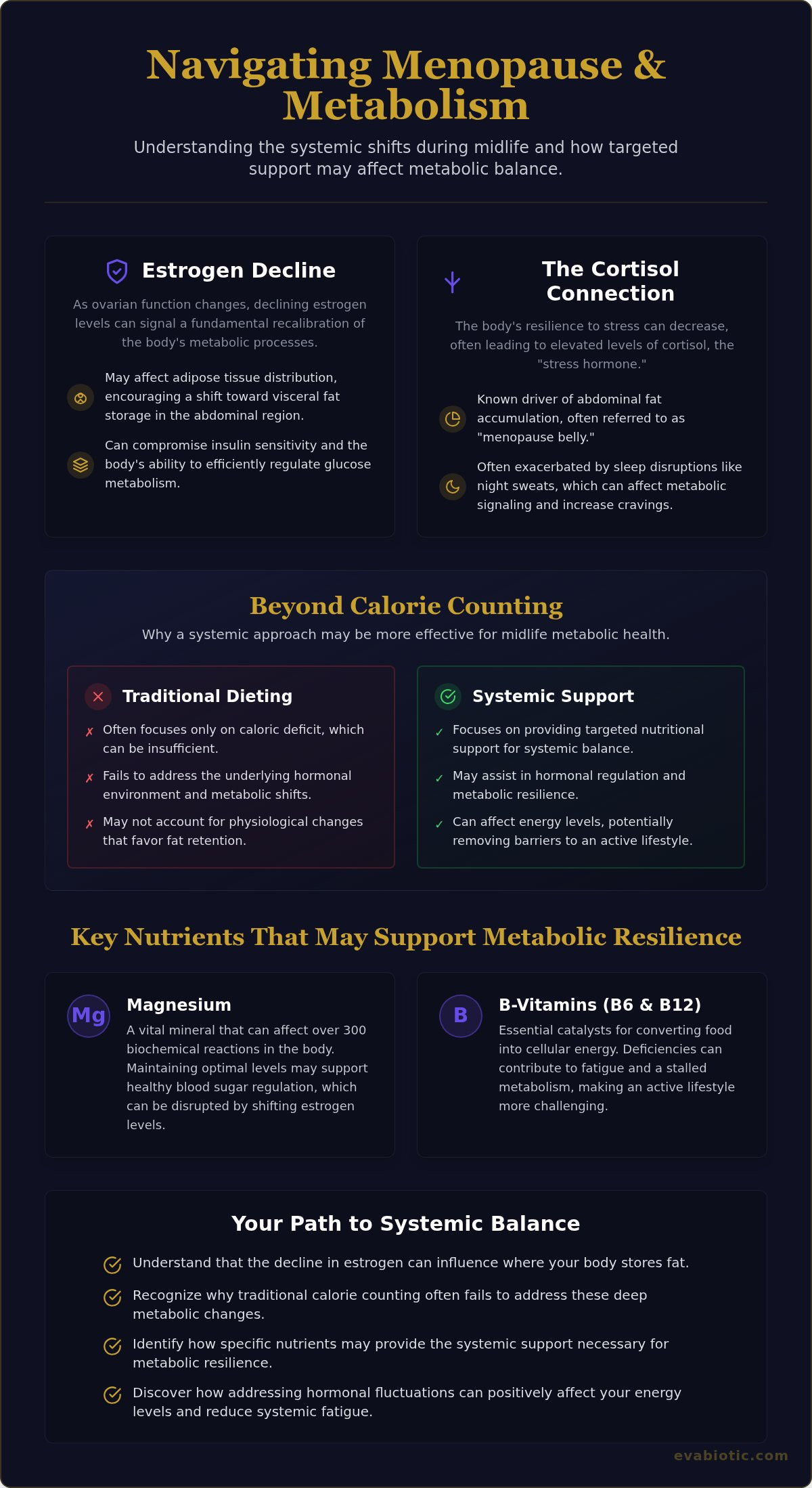
- Understand how the decline in estrogen levels influences adipose tissue distribution and why traditional calorie counting often fails to address these underlying metabolic changes.
- Identify specific vitamin and mineral profiles that may assist in hormonal regulation and provide the systemic support necessary for metabolic resilience.
- Learn how a comprehensive protocol of supplements to balance hormones for weight loss during menopause can affect systemic balance more effectively than isolated, non-synergistic nutrients.
- Evaluate the clinical advantages of precise capsule-based delivery systems over alternative formats to ensure consistent physiological support for your health goals.
- Discover how addressing hormonal fluctuations can affect energy levels and systemic fatigue, potentially removing the barriers to maintaining an active lifestyle during midlife.
The Physiological Link Between Hormonal Imbalance and Midlife Weight Gain
The transition through menopause represents a fundamental recalibration of the female endocrine system. It isn't merely an end to reproductive years; it's a systemic shift that can significantly alter how the body processes and stores energy. During this period, the decline in ovarian function leads to a substantial decrease in estrogen, which can affect the distribution of adipose tissue. While younger women often store fat in the hips and thighs, the hormonal environment of midlife encourages a shift toward visceral fat storage in the abdominal region. This change isn't just aesthetic. It reflects a deeper metabolic transformation that requires a more nuanced approach than simple calorie counting.
Estrogen Decline and Metabolic Efficiency
Estrogen plays a critical role in maintaining insulin sensitivity and regulating glucose metabolism. When levels fluctuate and eventually drop, the body's ability to utilize stored energy can be compromised. This metabolic inefficiency often means that calories previously used for fuel are now more likely to be stored as fat. Because the body's baseline metabolic rate can slow down during this transition, traditional calorie restriction often fails to produce the expected results. Without addressing the underlying hormonal environment, eating less doesn't account for the physiological changes that favor fat retention. This is why many women seek supplements to balance hormones for weight loss during menopause to support their systemic health and metabolic performance.
Cortisol and the "Menopause Belly" Connection
The relationship between estrogen and cortisol is a defining factor in midlife weight management. As estrogen levels decline, the body's resilience to stress can decrease, often leading to elevated cortisol levels. This stress hormone is a known driver of abdominal fat accumulation. Additionally, sleep disruptions, such as night sweats and insomnia, can affect metabolic signaling and increase cravings for high-energy foods. Supporting the adrenal system is essential for maintaining systemic resilience during this time. A stabilized internal environment can affect how the body responds to stress, potentially reducing the physiological drive to store fat in the midsection.
Achieving long-term weight maintenance during this phase requires a move away from aggressive "fat burning" narratives toward a focus on systemic balance. When the body's internal systems are supported, metabolic performance can stabilize. This approach recognizes that weight gain is a symptom of a larger physiological shift rather than a lack of willpower. By providing targeted nutritional support, women can address the metabolic slowdown at its source. A reliable protocol of supplements to balance hormones for weight loss during menopause may affect these underlying mechanisms, facilitating a more resilient and balanced metabolic state. To further understand the role of targeted nutrition in maintaining overall health, exploring resources like Zenutri Personalised Vitamins can provide a science-backed perspective on building a resilient body.
Evaluating Key Nutrients That May Support Metabolic Resilience
Restoring metabolic efficiency during midlife requires more than just dietary changes; it necessitates a precise nutritional foundation. Understanding the menopause weight gain basics helps clarify why certain micronutrients become essential as the body’s hormonal landscape shifts. While many individuals seek supplements to balance hormones for weight loss during menopause, the most effective strategies focus on nutrients that may affect cellular energy production and systemic stability. This transition often increases the physiological demand for specific minerals and vitamins that act as cofactors in metabolic pathways.
Magnesium and B-Vitamins for Energy Metabolism
Magnesium is a vital mineral that can affect over 300 biochemical reactions, including those responsible for glucose metabolism and insulin sensitivity. During the menopausal transition, maintaining optimal magnesium levels may support healthy blood sugar regulation, which is often disrupted by shifting estrogen levels. Similarly, B-complex vitamins serve as essential catalysts for converting food into cellular energy. Deficiencies in vitamins like B6 and B12 can lead to fatigue and a stalled metabolism, making it difficult to maintain the activity levels necessary for weight management. By addressing these common nutritional gaps, women can provide their bodies with the tools needed to maintain metabolic resilience. To find specific high-quality nutrients for your regimen, you can explore Direct Product Sales via E-commerce through Sunshine Valley.
Botanical interventions, particularly adaptogens like Ashwagandha, provide a secondary layer of support by targeting the adrenal system. These plants may assist in managing cortisol levels, which, as established in the previous section, often rise when estrogen declines. Elevated cortisol can affect visceral fat accumulation and systemic inflammation. Utilizing clinical-grade botanical extracts in a capsule format ensures the precision and purity required for a serious health protocol. Unlike candy-like alternatives, a professional-grade menopause relief multivitamin provides these botanicals within a synergistic framework of essential nutrients.
The synergy between minerals, vitamins, and adaptogens creates a comprehensive environment for hormonal health. When these elements are combined, they can affect metabolic outcomes more significantly than any single ingredient. This integrated approach focuses on systemic balance, providing a reliable foundation for women navigating the physiological complexities of midlife. By prioritizing high-quality, scientifically-vetted ingredients, you can make an informed decision that supports your long-term health goals and metabolic vitality.
Beyond Calorie Counting: How Systemic Support Can Affect Weight Management
Many traditional weight management strategies rely on aggressive calorie restriction, but this approach often ignores the physiological reality of midlife. When metabolic efficiency declines, the body requires systemic support rather than just a reduction in energy intake. Utilizing supplements to balance hormones for weight loss during menopause can affect several interconnected biological pathways at once. A single-ingredient focus often fails because it doesn't account for the complexity of the endocrine system. By providing a broad spectrum of targeted nutrients, women can address the foundational gaps that contribute to metabolic slowdown.
The Synergy of Menopause Relief Multivitamins
A comprehensive multivitamin approach is often more effective than isolated supplements because it addresses multiple physiological systems simultaneously. For instance, managing symptoms like hot flashes is closely tied to metabolic health. When the body is constantly stressed by temperature fluctuations, it can affect its ability to regulate energy effectively. For a deeper look at these mechanisms, you can read our Hormonal Weight Gain During Menopause: A Clinical Analysis of Metabolic Shifts. Consistent, high-quality nutritional support can affect systemic resilience, helping the body maintain its metabolic rate despite hormonal transitions.
Sleep, Satiety, and Hormonal Signaling
Sleep quality is a major, often overlooked factor in weight management. Chronic sleep disruptions, such as night sweats, can affect the signaling of appetite-regulating hormones like ghrelin and leptin. This hormonal imbalance often leads to increased hunger and a preference for high-calorie foods the following day. By supporting a more stable internal environment, targeted nutrients can affect sleep patterns and indirectly support weight goals. Additionally, reducing the "brain fog" associated with hormonal shifts can affect cognitive clarity, making it easier to avoid impulsive dietary choices.
Achieving results requires more than an occasional intervention. The cumulative effect of daily nutritional consistency is what eventually influences metabolic performance. This is why a regular, capsule-based protocol is superior to sporadic use. When you provide your body with steady, clinical-grade support, you create a reliable environment for your metabolism to function optimally. This thoughtful, systematic approach is the cornerstone of long-term health and metabolic vitality during the menopausal years.
Selecting a High-Quality Supplement Protocol for Menopausal Transitions
Identifying effective supplements to balance hormones for weight loss during menopause requires a move away from trendy marketing toward clinical standards. The delivery format of a supplement is just as critical as the ingredients themselves. For a protocol to be effective, it must provide a reliable, concentrated dose of nutrients that the body can readily utilize. Many mass-market options prioritize taste or convenience over physiological impact, which can undermine your long-term metabolic goals. Choosing a professional-grade solution ensures that you're investing in systemic resilience rather than a temporary fix.
Capsules vs. Other Delivery Formats
Capsule-based delivery systems offer several clinical advantages over alternative formats. They allow for precise dosing and maintain ingredient stability, ensuring that delicate botanicals and vitamins remain potent until they reach your system. In contrast, "candy-like" gummy formats often contain added sugars and fillers that can negatively affect your metabolic health. These extra ingredients are counterproductive when your goal is weight management and hormonal balance. A concentrated 60-capsule supply provides a standardized monthly protocol, ensuring you receive the exact nutritional support your body needs without unnecessary additives.
Consistency and Long-Term Nutritional Resilience
Hormonal health isn't achieved through sporadic intervention; it requires steady-state nutrient levels. The body's endocrine and metabolic pathways function best when they receive a consistent supply of cofactors. Gaps in support can lead to fluctuations that stall progress and exacerbate symptoms like fatigue or "menopause belly." For a detailed look at how these nutrients work together, see our Menopause Relief Multivitamins: A Clinical Guide to Systemic Hormonal Support. Maintaining this daily rhythm is essential for achieving the cumulative benefits of nutritional support.
A subscription model serves as a practical tool for physiological consistency. It removes the risk of running out of your daily supply, ensuring that your hormonal signaling isn't interrupted by logistical delays. This methodical approach reinforces the brand’s message that health is a long-term investment. By prioritizing a high-quality, clinical-grade protocol, you're making a rational decision for your systemic health. If you're ready to commit to a rigorous standard of support, you can order your menopause relief multivitamins here to begin your journey toward metabolic stability.
Optimizing Your Results with Evabiotic Menopause Relief Multivitamins
Integrating a targeted nutritional protocol into your daily life is a foundational step toward managing the physiological shifts of midlife. Using supplements to balance hormones for weight loss during menopause works most effectively when these nutrients are part of a comprehensive metabolic health plan. Evabiotic provides this foundation through a scientifically-vetted formula that addresses the systemic gaps often left by standard multivitamins. By focusing on the underlying mechanisms of hormonal health, our approach can affect metabolic efficiency and support your long-term wellness goals with quiet, clinical confidence.
The Evabiotic Formulation Philosophy
Our commitment to quality begins with a US-manufactured, 60-capsule protocol designed for precise delivery. We prioritize natural ingredients that may support systemic relief and metabolic resilience without the use of synthetic fillers. Unlike formats that rely on high sugar content, our capsule delivery system ensures you receive a concentrated dose of essential cofactors. This methodical design is intended for the modern woman who values substance and scientific integrity over trendy marketing. To begin your protocol, you can optimize your hormonal balance with Evabiotic Menopause Relief Multivitamins.
Building a Sustainable Wellness Routine
Long-term health optimization requires a combination of targeted nutrition and menopause-specific lifestyle adjustments. Clinical-grade vitamins can affect your body's ability to maintain systemic balance, but they're most powerful when paired with adequate hydration, strength-bearing exercise, and stress management. This systematic approach ensures every aspect of your physiology is supported during the transition. For more detailed insights on maintaining your internal environment, read our guide on Menopause Health Optimization: A Clinical Guide to Systemic Resilience.
Taking the next step toward metabolic stability involves making an informed, rational decision for your future health. By selecting high-quality supplements to balance hormones for weight loss during menopause, you're investing in the resilience of your endocrine system. This isn't about impulsive purchases or quick fixes; it's about a disciplined commitment to systemic quality. When your internal systems are in balance, you can navigate the challenges of midlife with greater clarity and physical confidence.
Restoring Metabolic Resilience and Systemic Balance
Reclaiming your metabolic health during midlife requires a transition from aggressive dieting to a strategy rooted in systemic balance. This clinical review has highlighted how hormonal shifts can affect adipose tissue distribution and energy metabolism. By addressing these underlying mechanisms through targeted nutritional support, you can move past the frustration of unexplained weight gain. This methodical approach empowers you to make informed decisions for your long-term physiological resilience rather than relying on temporary fixes.
Selecting high-quality supplements to balance hormones for weight loss during menopause ensures your body receives the precise cofactors it needs for stability. Evabiotic Menopause Relief Multivitamins are formulated for clinical-grade systemic support and manufactured in the USA to rigorous standards. Our 60-capsule protocol and convenient monthly subscription are designed to prevent gaps in your nutritional foundation, supporting a steady state of wellness. When your internal systems are supported, your body can function with greater efficiency and vitality.
Invest in your systemic balance with Evabiotic Menopause Relief Multivitamins. You can navigate this new chapter with the quiet confidence that comes from a disciplined, science-based routine.
Frequently Asked Questions
How long does it take for menopause supplements to affect weight gain?
Physiological changes through nutritional support typically require consistent daily intake over a period of several weeks or months. Because these nutrients address systemic balance rather than providing a "quick fix," the timeline can vary based on individual metabolic rates. Maintaining a steady state of supplements to balance hormones for weight loss during menopause may affect your results more effectively than sporadic use. This methodical approach allows the body to recalibrate its endocrine signaling over time.
Can a multivitamin alone cause weight loss during menopause?
A multivitamin is designed to provide the nutritional foundation necessary for metabolic resilience, but it's not a standalone weight loss pill. It can affect your weight management goals when integrated into a comprehensive health plan that includes strength exercise and balanced nutrition. By addressing specific micronutrient gaps, a targeted formula may affect your energy levels and metabolic efficiency, making it easier to maintain the lifestyle habits required for long-term weight maintenance.
Is magnesium effective for balancing hormones for weight loss?
Magnesium serves as an essential cofactor for over 300 biochemical reactions, including those that regulate glucose metabolism and insulin sensitivity. While it doesn't directly "burn fat," maintaining optimal levels can affect how your body processes energy. When combined with other synergistic nutrients, magnesium may affect hormonal regulation and systemic stability. This support is particularly relevant during midlife when the body’s ability to manage blood sugar can be influenced by declining estrogen levels.
What is the best time of day to take menopause relief multivitamins?
For optimal absorption and gastrointestinal comfort, it's generally recommended to take your menopause relief capsules with a meal. Consistency is more critical than the specific hour of the day. Establishing a regular morning or evening routine ensures that you maintain steady-state nutrient levels in your system. This daily rhythm prevents gaps in support and reinforces the systemic resilience needed to manage hormonal fluctuations and their impact on your metabolic health.
Can I take these supplements if I am also in perimenopause?
Yes, targeted nutritional support is highly relevant during perimenopause, as this is when the initial hormonal fluctuations and metabolic shifts often begin. Providing your body with essential vitamins and minerals during this transition can affect your systemic resilience before symptoms become more pronounced. Utilizing high-quality supplements to balance hormones for weight loss during menopause during the perimenopausal phase may affect how your body adapts to the gradual decline in estrogen and subsequent metabolic changes.
Why are capsules preferred over gummies for menopause support?
Capsules are the preferred delivery format for serious health goals because they allow for precise dosing and superior ingredient stability. Unlike "candy-like" gummies, capsules don't require the addition of sugars, corn syrups, or artificial fillers that can negatively affect your metabolic health. This concentrated format ensures you receive the full potency of botanical extracts and minerals. For a disciplined innovator, the capsule represents a more rigorous and effective approach to long-term systemic support.
How does Ashwagandha help with menopausal weight management?
Ashwagandha is a clinical-grade adaptogen that may assist in managing the body’s response to stress. During menopause, elevated cortisol levels can affect visceral fat accumulation, particularly in the abdominal area. By supporting the adrenal system, Ashwagandha can affect your systemic resilience and help mitigate stress-related metabolic slowdowns. This botanical support works synergistically with other vitamins to address the complex relationship between stress hormones and weight gain during the menopausal transition.
Will balancing my hormones help reduce menopause belly fat?
Addressing the underlying hormonal environment can affect how your body distributes adipose tissue. When estrogen declines, the body often shifts toward storing fat in the midsection. By providing the nutritional support necessary for systemic balance, you may affect the physiological signals that favor visceral fat storage. While results depend on a combination of factors, stabilizing your metabolism through targeted nutrition is a rational step toward reducing the impact of "menopause belly" fat.
Disclaimer
*These statements have not been evaluated by the Food and Drug Administration. This product is not intended to diagnose, treat, cure or prevent any disease. The views and nutritional advice expressed by AlphaHealth+ Nutrition are not intended for the purpose of providing medical advice. Please always consult your health care provider if you are taking any medications or have any medical conditions. Individual results may vary.